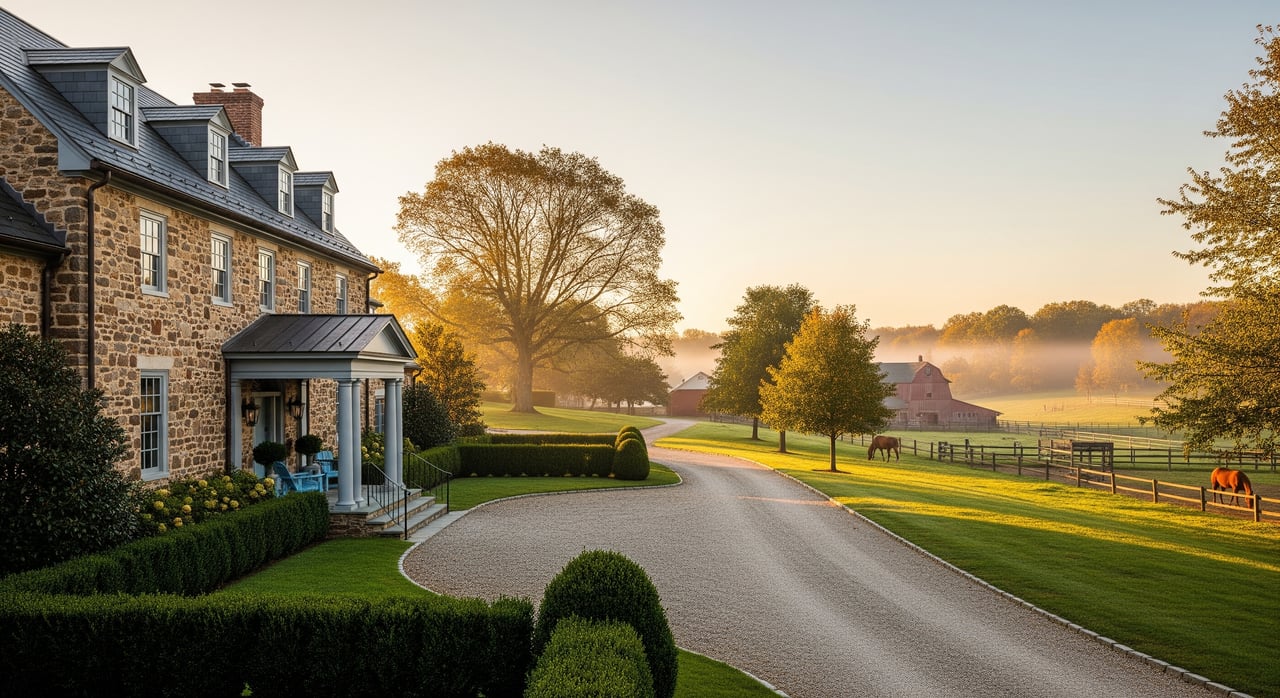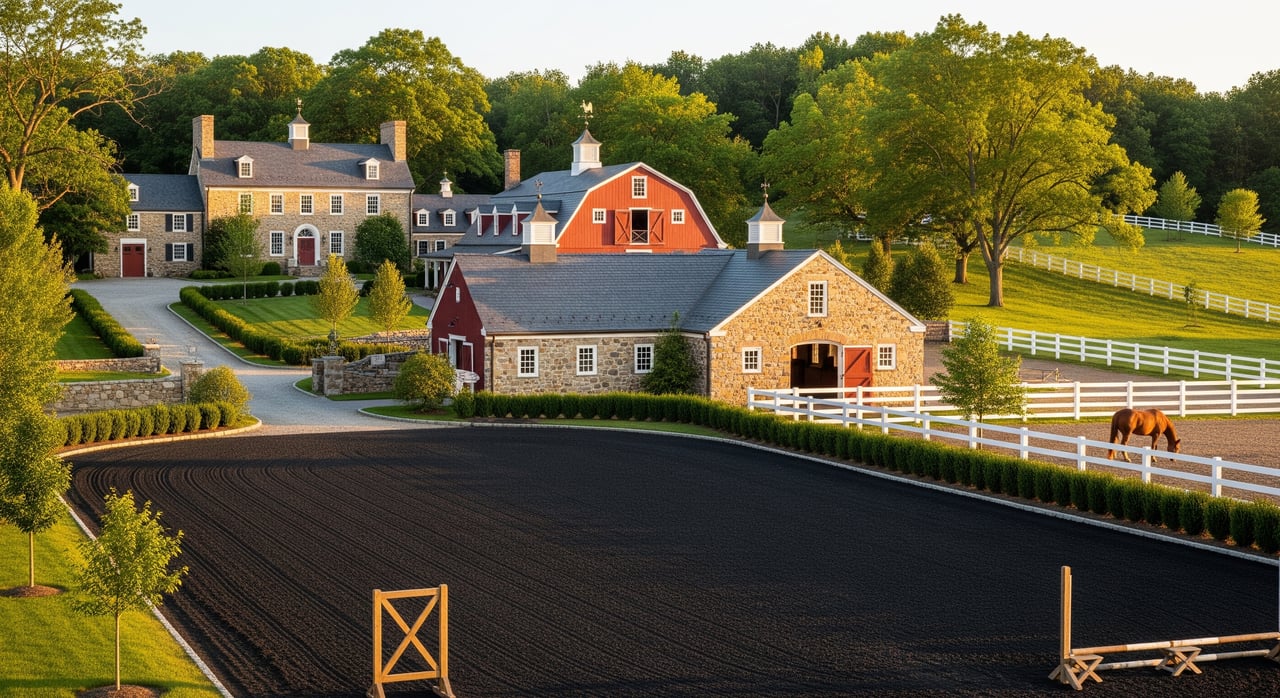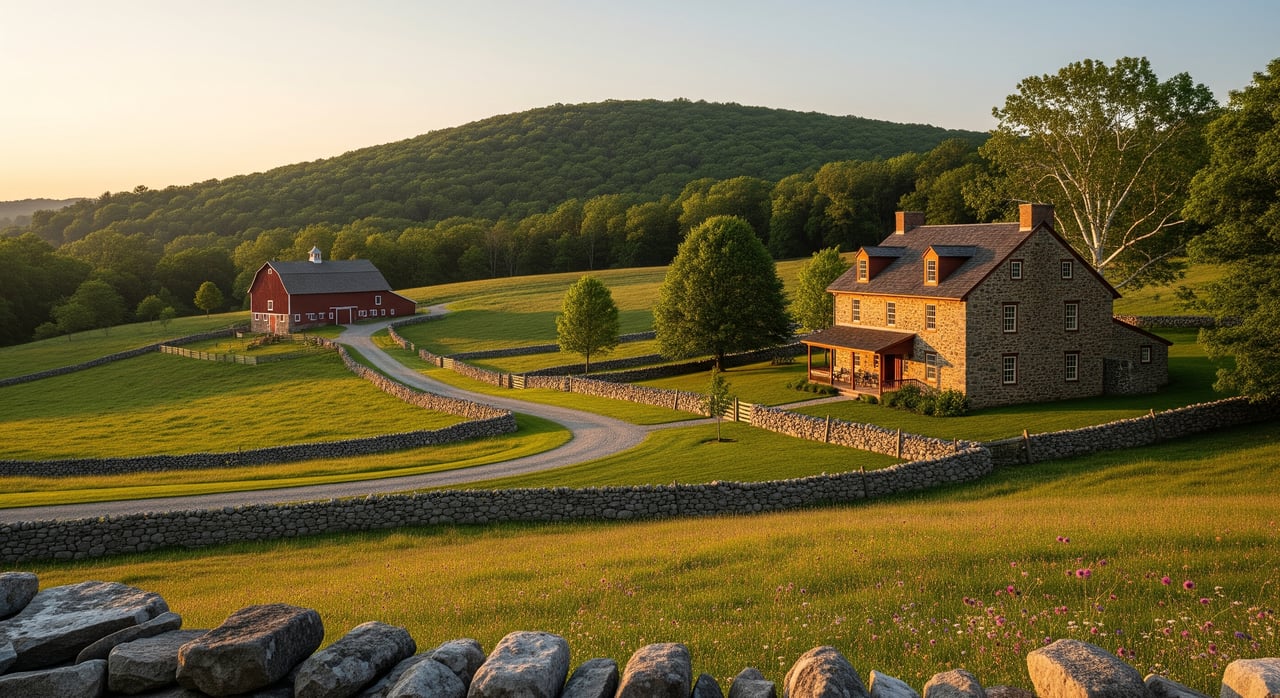
You fell in love with Bucks County’s rolling fields, wooded edges, and the idea of real acreage. Then you see a note in the listing: “subject to a conservation easement.” What does that mean for your plans to build a barn, add an arena, or simply enjoy privacy? If you are considering a farm, equestrian estate, or a large parcel, understanding easements early will save time and stress. This guide gives you clear buyer basics, local context, and a due diligence roadmap tailored to Bucks County. Let’s dive in.
Conservation easements explained
A conservation easement is a recorded legal agreement that limits certain uses of the land to protect conservation values like agriculture, open space, habitat, or scenic views. It is voluntary at the time it is created, but once recorded, it runs with the land and binds all future owners.
In most cases, a qualified land trust or a government entity holds and enforces the easement. The agreement is designed to be permanent. That permanence is what preserves rural character across generations in places like Bucks County.
How easements shape use
Every easement is written for one property’s goals and landscape. There are common patterns, but you should never assume standard rules apply to your parcel.
Typical restrictions
- Subdivision limits that reduce or prohibit new lots.
- Caps on new homes or structure size outside designated building envelopes.
- Narrow permissions for commercial activity, especially non-agricultural uses.
- Prohibitions on mining or other resource extraction.
- Limits on impervious surfaces and grading, and protections for wetlands or stream buffers.
- Rules for forestry and habitat consistent with a management plan.
- Clear statements on public access. Many private agricultural easements do not allow public access.
Common allowed uses
- Agricultural production, pasturing, and equestrian use are often encouraged.
- Residential use within defined areas, including an existing home and sometimes a limited additional residence.
- Managed timber harvests aligned with a forest plan.
- Utilities, access roads, and routine maintenance with conditions.
Expect variation
Two Bucks County farms can have very different easement terms. A scenic viewshed easement might be more flexible about agricultural buildings. A farmland preservation easement may be strict about subdivision and non-farm uses. Read the documents, not assumptions.
Buyer due diligence checklist
Move early and gather complete information. You are buying both the land and the restrictions that shape it.
- Obtain and read the recorded easement deed in full. Look for permitted uses, building envelopes, subdivision limits, and enforcement provisions.
- Request the Baseline Documentation Report and maps. This shows the property’s condition at the time the easement was created.
- Contact the easement holder to review monitoring records. Ask if any violations were issued and how approvals are handled.
- Confirm whether public access is allowed or required. This affects privacy and liability.
- Verify any reserved or severed rights, such as mineral rights or rights-of-way.
- Order an updated boundary survey that shows easement lines and building envelopes.
- Speak with county planning, zoning, and permitting offices to align local rules with easement terms.
- Get a title search and confirm how the easement affects title insurance and lender requirements.
- Verify well and septic locations and permits. Some easements limit new or expanded systems.
- Ask about stewardship funding and policies. Clarify whether there are stewardship assessments or required landowner contributions.
For Bucks County, you will likely interact with the Recorder of Deeds for the recorded easement, the Planning Commission and local municipality for zoning, the Assessment Office for tax impacts, and the county conservation office for agricultural practices.
Financing, appraisal, and taxes
Conservation easements change how appraisers and lenders view the property. The appraisal typically uses a before-and-after analysis that reflects the value of restricted use. This may affect loan-to-value ratios and mortgage amounts.
Lenders often accept properties with conservation easements, but policies vary. Some require specific easement language or a title endorsement. Confirm mortgage terms and title requirements early in your process.
On taxes, donors who grant a qualifying perpetual conservation easement to a qualified organization may be eligible for a federal charitable income tax deduction under Internal Revenue Code Section 170(h). If you are buying a property already encumbered by an easement, you do not receive that donor deduction unless you create a new qualifying easement in the future.
In Pennsylvania, agricultural and open-space programs such as Clean and Green, along with county farmland preservation participation, can influence property tax assessments. Confirm eligibility and impacts with the Bucks County Assessment Office.
Equestrian-specific considerations
If you plan to keep or train horses, confirm the details in writing before you close.
- Arenas and rings: Often allowed within building envelopes and subject to impervious limits. Ask about sand pits, lighting, and any spectator features.
- Boarding and training: Some easements limit or prohibit commercial equestrian operations unless expressly permitted.
- Trails and cross-country: Private trails are usually fine. Public access provisions, if any, change liability and privacy considerations.
- Pastures and hayfields: Agricultural use is usually encouraged, but new fencing, ponds, or stream crossings may need approval.
The best step is to share a simple site plan with the easement holder that shows your intended facilities. Ask for a written response on what requires consent and what is permitted outright.
Resale and value expectations
Easements can narrow the buyer pool for those who want to subdivide or pursue non-agricultural development. For many rural and equestrian buyers, the protection of open space and the preserved setting can be a positive, making a property more desirable.
Market impact is mixed and depends on the exact restrictions, the local demand for rural properties, and how well the improvements fit within the permitted uses. Expect your appraiser to analyze how the easement changes highest-and-best use and to support adjustments with market data.
Approvals, monitoring, and compliance
Most easement holders monitor properties on a regular schedule and keep compliance records. Many easements require you to notify the holder and obtain written approval for certain changes or new improvements.
If a violation occurs, remedies typically include restoration, injunctions, and possibly damages. Before you buy, ask the holder about its enforcement history and approval timelines so you can plan projects with realistic expectations.
Bucks County resources to contact
Having the right contacts makes due diligence smoother. In Bucks County, start here:
- Bucks County Agricultural Land Preservation Program: Confirm whether development rights were purchased and review any easement records.
- Bucks County Recorder of Deeds: Retrieve the recorded easement deed and any amendments.
- Bucks County Planning Commission and your local municipality: Align zoning and permitting with easement terms.
- Bucks County Assessment Office: Discuss potential impacts on assessed value and eligibility for agricultural or open-space programs.
- Local and regional land trusts, such as Natural Lands: Identify the easement holder and discuss stewardship practices.
- Pennsylvania Land Trust Association and the Land Trust Alliance: General guidance on easement best practices and owner responsibilities.
- USDA NRCS and the Pennsylvania Farmland Preservation Program: Determine whether federal or state program easements apply.
Negotiate smart and avoid red flags
A practical approach before you sign an agreement of sale will save headaches later.
Key negotiation points
- Ask the seller for the Baseline Documentation Report, monitoring history, and any correspondence with the easement holder.
- Get a current survey and written confirmation of building envelope locations.
- Request a written statement from the easement holder on whether your intended uses require consent and whether similar approvals have been granted.
- Confirm lender and title requirements and seek pre-approval that contemplates the easement.
- Where possible, obtain seller warranties that no violations exist and that any stewardship fees due to date are paid.
Red flags to watch
- No baseline report or unclear baseline conditions.
- Public access requirements without defined boundaries or parking.
- Vague definitions of “agricultural” or “commercial” that could restrict equestrian plans.
- Mineral rights held by a third party with surface use rights.
- No clear building envelopes or unclear impervious limits when you plan to add facilities.
- An easement holder with a record of aggressive enforcement or unclear stewardship funding.
The bottom line for Bucks County buyers
Treat a conservation easement as a core part of what you are buying. It will shape your long-term enjoyment, your ability to add improvements, and your resale market. The right preparation makes it work for you. If you verify uses, plan improvements within the rules, and align your financing early, you can secure the rural lifestyle you want while protecting the land that drew you here.
If you would like a specialist to help you evaluate an easement, coordinate surveys and approvals, and connect with the right local contacts, start a confidential conversation with Petrina Calantoni Unger. Start a Confidential Conversation About Your Property.
FAQs
What is a conservation easement on Bucks County land?
- It is a recorded, usually permanent agreement that restricts certain uses to protect conservation values, enforced by a land trust or government holder.
Can I change or remove an existing easement as a buyer?
- Generally no. Modifications or terminations are rare and require specific legal processes and approvals under state law.
Will I be able to build a barn or arena on an eased property?
- It depends on your easement’s permitted uses, building envelopes, and impervious limits. Get written confirmation from the easement holder before you buy.
Can I run a boarding or training business on an eased farm?
- Many easements limit commercial uses. Verify whether boarding, training, or sales are permitted or if special approval is needed.
Does a conservation easement mean the public can use my property?
- Only if the easement specifically allows or requires public access. Many agricultural easements prohibit public access.
How do easements affect financing and appraisal in Bucks County?
- Appraisers use a before-and-after approach to reflect restricted use, and lenders review the easement and title. Confirm requirements with your lender early.
Do I receive any tax deduction when I buy an eased property?
- Buyers do not receive the donor’s charitable deduction. Only donors of qualifying perpetual easements may be eligible under Internal Revenue Code Section 170(h).
What local offices should I contact during due diligence?
- Start with the Bucks County Recorder of Deeds, Planning Commission, Assessment Office, and the easement holder. Your municipality’s zoning office is also essential.