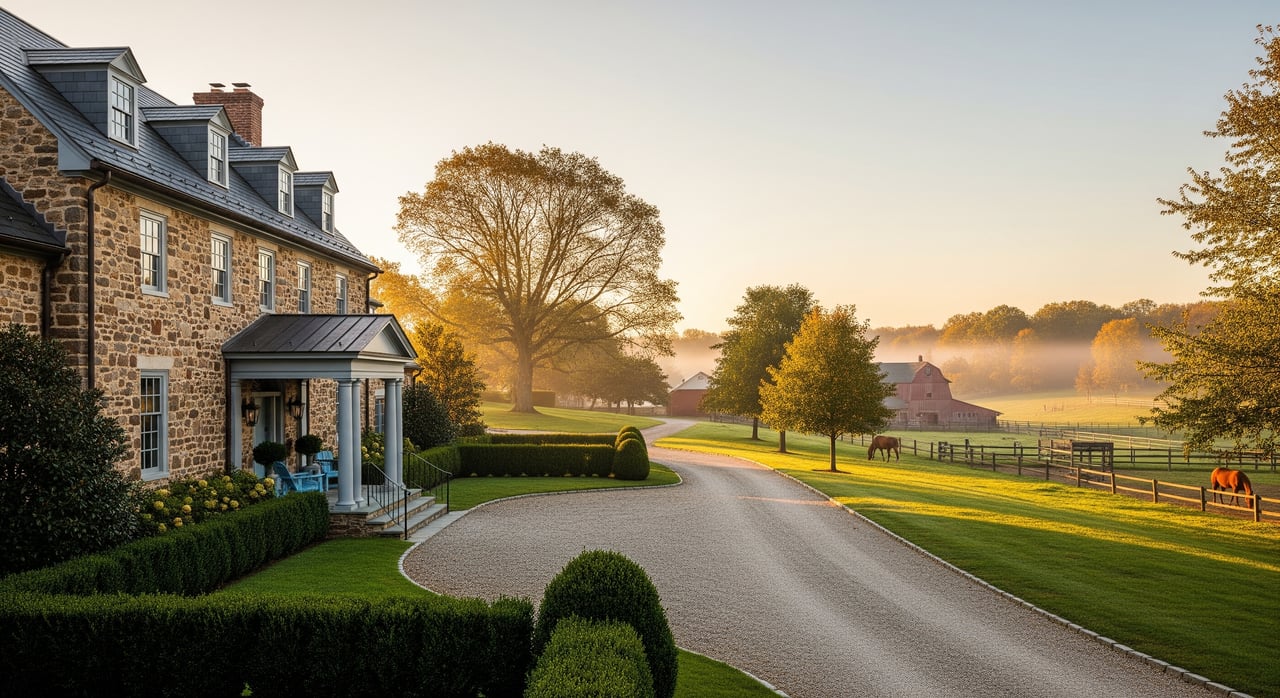
Picture your morning beginning with steam rising off the pasture, a mug warming your hands, and the soft shuffle of hooves from the barn. If you are weighing a move from city or suburb to more land, you want the real picture, not a postcard view. In this guide, you will see the daily rhythms, seasonal shifts, and practical systems that shape life on a country or equestrian estate in Bucks County. You will also get clear next steps for due diligence so you can move forward with confidence. Let’s dive in.
The real feel of estate life
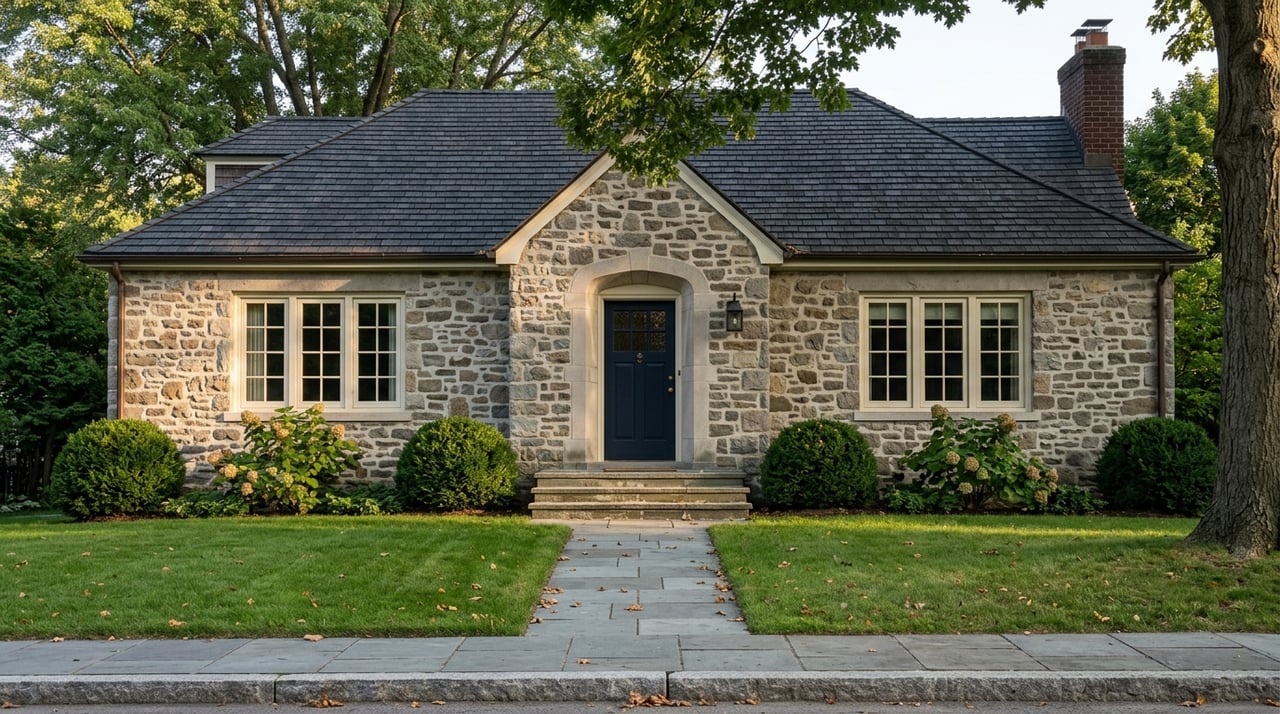
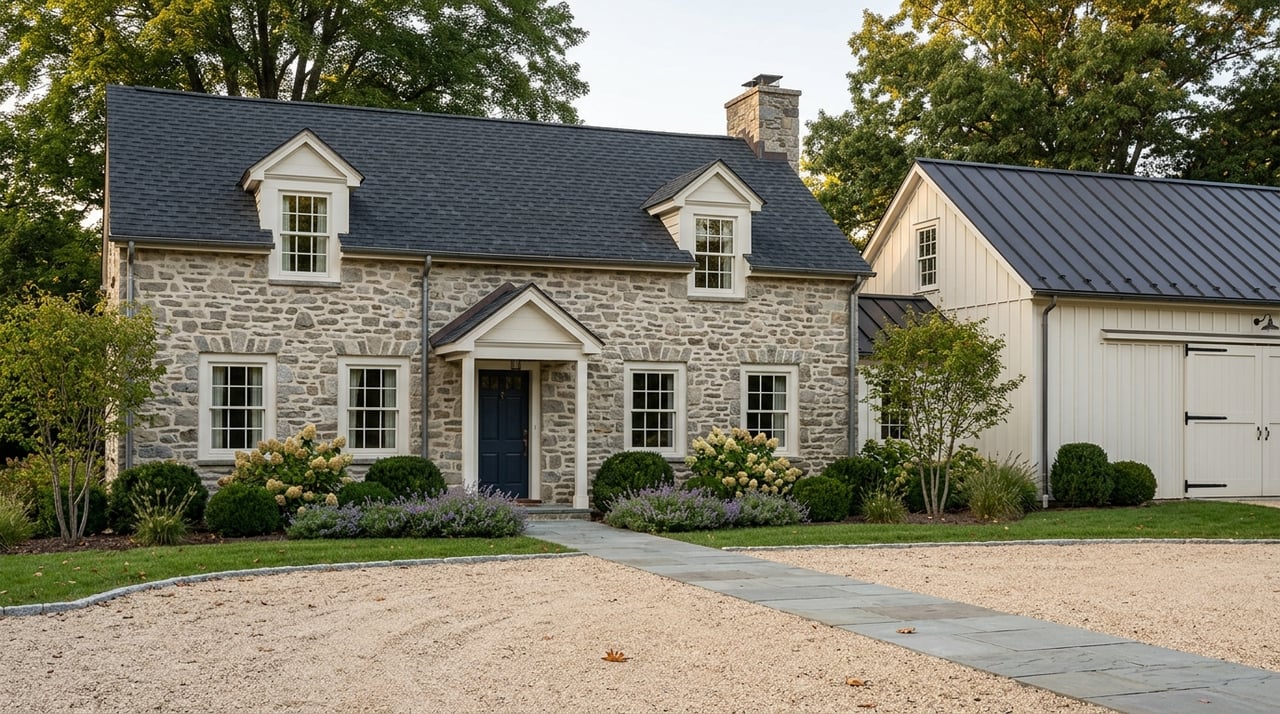
Country estates in Bucks County span historic stone farmhouses, timber-frame homes, and modernized barns on parcels from a few acres to broad fields. You drive along quiet lanes with stone walls and tree canopies, then reach a home where the horizon opens. Town centers like Doylestown, New Hope, Newtown, and Yardley are often a short drive away, which lets you balance privacy with convenience. Some properties feel very rural while others sit close to commuter routes.
A day in the life
Morning often starts with simple chores, like feeding horses, checking waterers, and walking fencelines after a storm. Midday might include a run to town for supplies, a farmers market stop, or waiting for a hay or propane delivery. Afternoon can bring riding time, mower lines across the lawn, or a contractor visit for fencing or a septic check. Evenings tend to be quieter, with stargazing, a winter fire, or a night at a local museum or theater.
Four seasons on your land
Spring brings planting, fencing repair, and the first rides on soft ground. Summer is lush, with pasture management, pest control, and timely hay deliveries. Fall means harvest rhythms, leaf cleanup, and winterizing outbuildings and water lines. Winter calls for snow and ice management, careful driving on rural lanes, and cozy evenings after barn chores.
Equestrian life, up close
If horses are part of your plan, expect steady routines for feeding, turnout, stall cleaning, arena dragging, and grooming. You will coordinate with your farrier and vet, manage hay storage, and keep footing and drainage in good shape. On weekends you may ride preserved trails or join local lessons and schooling shows. For broader community and guidance, the Pennsylvania Horse Council offers statewide resources and local contacts.
Wells, septic, and utilities
Most rural estates rely on private wells and septic systems. As a buyer, you should plan for professional well-water testing and a septic inspection as part of due diligence. Pennsylvania standards and guidance are available from the PA Department of Environmental Protection and practical basics are outlined through Penn State Extension. Expect a mix of electric and propane, and confirm broadband options early if you work from home.
Roads, access, and winter prep
Some estates sit at the end of a long private lane. You may be responsible for plowing, grading, and gravel replacement, either alone or through a shared agreement. Larger roads are maintained by townships or the state, so it helps to know who clears what and when. For road conditions and maintenance guidance, check PennDOT.
Zoning, preservation, and taxes
Zoning sets the rules for how you can use the land, including residential, agricultural, and equestrian uses. Bucks County also has agricultural preservation and open-space programs that can limit future development on certain properties. You can explore county-level programs and contacts through the Bucks County government site. Property taxes vary by municipality and school district assignment, including districts like Central Bucks, Council Rock, Doylestown area, and Pennridge, so confirm boundaries and rates with local offices.
Commutes and broadband
Commute times vary widely across Bucks County and neighboring Montgomery and Chester Counties. Some homes are within reach of SEPTA Regional Rail, while others require longer drives to highways or stations. Review schedules and plan trial runs at rush hour using SEPTA resources. Broadband is not uniform in rural areas, so ask sellers for their provider and speeds and confirm availability before you commit.
Culture, food, and open space
You can enjoy quiet nights at home or head to a town center for a concert, art opening, or a seasonal market. The region’s events calendar is a helpful guide, and you can browse options through Visit Bucks County. For art and culture, the Michener Art Museum in Doylestown offers ever-changing exhibits and programs. Farmers markets, CSAs, and local producers add seasonal variety to your table.
Health and the outdoors
Spending time outdoors is part of the appeal, and it comes with practical care. Tick-borne illnesses are a local consideration in Pennsylvania, so plan prevention for people and pets. You can review prevention tips through the CDC’s Lyme disease resources. Keep up with pest control, and consider fencing and landscaping that guide wildlife away from gardens and paddocks.
Smart due diligence checklist
Use this quick checklist to shape your offer and inspection plan:
- Water and septic: well-water test for bacteria and nitrates, flow rate, septic inspection and pumping history, and soil testing if you plan additions.
- Access and easements: survey, boundary verification, driveway and shared-road agreements, and snowplow responsibility.
- Buildings and systems: barn ventilation and drainage, stall count, paddock fencing, arena surface and drainage, hay and fuel storage, and manure management.
- Land and environment: wetlands or floodplain mapping, conservation or agricultural easements, and impervious-cover limits.
- Utilities: electric capacity, propane storage, generator readiness, and broadband options.
- Operations: vendor contacts for hay, farrier, vet, fencing, tree care, septic pumping, and well testing.
Fit check for your lifestyle
Country estates offer space, privacy, and a hands-on rhythm that many people love. You will trade convenience for stewardship, especially in winter or when coordinating vendors. If you enjoy outdoor work, value quiet nights, and want room for animals or gardens, the lifestyle often feels deeply rewarding. If you need a quick commute or turnkey maintenance, choose a location closer to town or rail.
Start the conversation
If you are ready to explore country estates, you deserve guidance that blends construction-savvy advice with a sensitive, lifestyle-first approach. From well and septic diligence to equestrian facility reviews and preservation questions, you can move forward with clarity and care. Start a private, no-pressure consultation with Petrina Calantoni Unger to map your next steps.
FAQs
What does daily life on a Bucks County country estate feel like?
- Expect quiet mornings with chores, midday trips for supplies, and evenings that balance privacy with easy access to nearby town centers.
How do wells and septic systems work for rural homes in Pennsylvania?
- Most properties use private wells and septic; plan professional testing and inspections during due diligence and budget for periodic maintenance.
How will winter affect driveway access on a country property?
- If you have a private lane or long drive, you will likely handle plowing and gravel maintenance or share costs through a road agreement.
Can I commute to Philadelphia from a rural Bucks County estate?
- Many owners drive or use regional rail where available; test routes at rush hour and review station access before deciding on a location.
What should I check before buying an equestrian property in Bucks County?
- Review stalls, fencing, arena surface and drainage, hay storage, manure management, and zoning rules for lessons or boarding.
Will I get reliable broadband at a rural home in Bucks County?
- Coverage varies by township; confirm providers, current speeds, and any plans for service upgrades before you submit an offer.
How do property taxes vary across Bucks County school districts?
- Taxes are set locally and differ by municipality and school district; confirm your property’s district and rates with local offices before you buy.
What seasonal health considerations should I plan for outdoors in Pennsylvania?
- Plan tick prevention for people and pets, keep up with pest control, and adjust daily routines for heat, storms, and winter conditions.