Looking for a Bucks County horse property you can ride on day one? You want facilities that work in all seasons, safe infrastructure, and easy access to equine services. This guide shows you what “ride-ready” really means in our region, what to check during a showing, and which upgrades matter most if you plan to sell. Let’s dive in.
What “ride-ready” means here
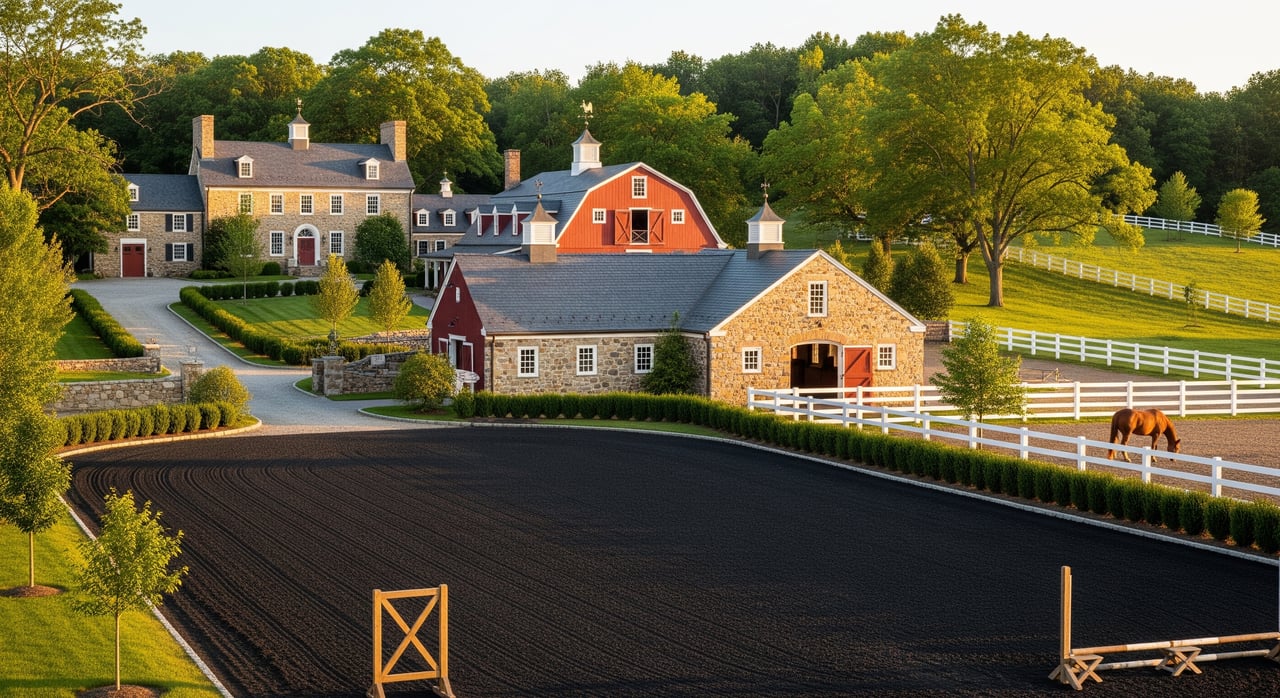
In Bucks County and the Montgomery–Chester corridor, ride-ready means a property that supports daily care, turnout, training, and safe storage with minimal immediate upgrades. Our humid continental climate (USDA zones 6b–7a) makes drainage, mud control, and winter/spring footing performance essential. You should see practical layouts, clean water access, and evidence of regular maintenance.
Barn design that works every day
Stalls and aisles that fit horses
- Expect stalls around 12' x 12' for adult horses. Larger horses may need 12' x 14'; ponies can do well with 10' x 10'.
- Aisles are typically 10'–12' wide for safe passing of horses and hay wagons.
- Straight-through circulation or a center aisle with separate vehicle access reduces traffic conflicts.
Wash, feed, tack and hay storage
- Look for a dedicated wash stall with a non-slip surface and good drainage.
- A dry, pest-controlled feed room and a lockable tack room are standard.
- Hay storage should be covered and sized to carry winter reserves, since forage needs increase in colder months.
- Verify service access: trailer turn radius, hay-truck clearance, and a clear path for manure removal.
Floors, drainage and ventilation
- Rubber mats over a well-draining base, or compacted stone dust sloped to drain, keep stalls dry.
- Ventilation is crucial in winter. Ridge vents, cupolas, or mechanical systems help control moisture and improve air quality.
- Check guttering, site grading, and any subsurface drains that keep water away from the barn foundation.
Turnout, paddocks and pasture health
Right-size acreage and layout
- As a planning rule in the Northeast, budget about 1.5–2 acres per horse for year-round turnout. Actual needs vary with pasture quality and whether you feed supplemental hay.
- Focus on usable acreage, not just total acreage. Wet areas, steep slopes, and wooded portions may not support grazing.
Sacrifice areas protect your fields
- A well-drained sacrifice paddock is essential for winter and mud season. It protects your grass during freeze–thaw cycles and heavy rain.
- Look for firm footing, correct grading, and easy access for daily routines.
Safe fencing and reliable water
- Common, horse-safe options include post-and-board, vinyl, or high-tensile tape. Fencing should be straight, visible, and free of loose wire.
- Gates should swing freely with secure latches.
- Frost-free hydrants or heated automatic waterers in stalls and paddocks make winter care safer and faster.
Arena quality and footing you can trust
Sizes and surfaces that fit your discipline
- Dressage standards: 20m x 40m or 20m x 60m.
- All-around private arenas are often 60'–100' wide and 120'–200' long.
- Most arenas use sand footing, sometimes with fiber, rubber, wax, or silica blends for better cushion and traction.
Build and drainage matter more than additives
- A compacted stone base, often with a geotextile layer to separate subgrade, is key to stability and drainage.
- The arena should be crowned or gently sloped with perimeter drains or French drains where needed.
- Orientation to sun and prevailing winds helps manage dust and freeze–thaw conditions.
Maintenance is part of the package
- Even, recently groomed footing and on-site maintenance equipment (tractor and drag) signal a functional arena.
- Irrigation or a watering plan helps control dust and maintain consistent footing depth.
Manure, utilities and safety systems
Manure management that respects the land
- Expect a designated storage area away from wells and streams, ideally on a hard surface with containment.
- Many small horse properties fall below concentrated animal feeding operation thresholds, but you still need to follow local nutrient rules and setbacks.
- County conservation districts can advise on best practices, riparian buffers, and any permits if you plan larger projects.
Water, septic and electrical checks
- Test well water for bacteria and nitrates, and confirm flow rate if you rely on multiple hydrants and a wash rack.
- Verify septic capacity and location, especially if you plan events or added lodging.
- Barn wiring should be to code with GFCI protection near water. Fuel, pesticides, and other hazards should be stored separately from hay and manure.
Local context: zoning and services
Zoning varies by township
- Bucks County is a patchwork of municipalities. Rules for accessory buildings, setbacks, and the number of animals per acre vary by township.
- Some parcels have conservation easements, agricultural preservation, or riparian buffers that limit building or subdivision.
- Before you commit, review township zoning and consult the Bucks County Planning Commission and your local conservation district.
Equine services and access
- The University of Pennsylvania’s New Bolton Center in Chester County is the region’s major large-animal referral hospital, which many buyers value for advanced care.
- Most owners want an ambulatory equine vet within about 30–45 minutes for emergencies.
- Confirm availability of farriers (typical visit every 4–8 weeks), feed delivery, tack supply, trainers, and show or trail access that fits your riding goals.
A practical property review checklist
Use this quick checklist during showings and inspections:
- Barn and stable
- Stalls roughly 12' x 12' (or sized to your horses).
- Aisles 10'–12' wide and free of clutter.
- Dry, secure feed and tack rooms; pest control in place.
- Electrical systems to code with GFCI in wet areas.
- Paddocks and pasture
- Realistic usable acreage per horse and a functional sacrifice area.
- Fencing condition, safe gates, and repair feasibility.
- Frost-free hydrants or heated waterers on level, drained pads.
- Arena
- Size and layout match your discipline.
- Evidence of a proper base, slope, and drainage.
- On-site maintenance gear (tractor and drag) or known service providers.
- Water, septic, wells
- Well test results (bacteria, nitrates) and sufficient yield.
- Septic capacity, location, and code compliance.
- Environmental and legal
- Zoning allowances, easements, or preserved status.
- Floodplain, wetlands, or regulated stream buffers.
- Services and emergency planning
- Distance to New Bolton Center and local ambulatory vets.
- Available farriers, feed delivery, trainers, and show/trail options.
Due diligence that protects your investment
- Obtain township zoning details on maximum animals, accessory structures, and any livestock nuisance ordinances.
- Commission a barn structural inspection and an arena assessment if build documentation is missing.
- Test well water and confirm septic permits and inspections.
- Talk with the county conservation district about manure handling, buffers, and any erosion and sediment control needs for planned improvements.
- Request the seller’s vendor list for vet, farrier, feed, and arena maintenance.
- Consult an equine-savvy insurer about premiums for your intended use and the barn’s age and features.
Seller priorities before you list
If you are preparing to sell, target upgrades buyers notice and value:
High-impact, moderate-cost wins
- Repair fencing and gates for safety and curb appeal.
- Fix drainage near the barn and main paddocks to cut mud and protect pasture.
- Groom and level the arena; show buyers your working drag and tractor.
- Clean and organize tack and feed spaces; label storage.
- Compile maintenance records and service contacts.
Bigger investments with strong ROI
- Improve the arena base and footing if performance is poor; buyers discount heavily for bad footing.
- Add or upgrade heated or frost-free waterers to extend safe turnout in winter.
- Address roof or structural repairs that undermine buyer confidence.
Nice-to-haves
- Fresh paint and simple cosmetic updates.
- Basic arena lighting if evening riding is common in your market.
- A tidy folder with surveys, plans, and maintenance schedules.
Cost context to set expectations
- A functional outdoor arena with proper base, sand footing, and drainage typically runs in the tens of thousands of dollars, depending on size and subgrade work.
- Indoor arenas cost significantly more due to the building shell and systems.
- Fencing repairs and drainage improvements vary by footage and scope.
The bottom line
A ride-ready equestrian property in Bucks County blends smart barn design, safe turnout and fencing, durable arena construction with dependable drainage, and a clear plan for manure and water management. Buyers also weigh zoning, environmental constraints, and proximity to veterinarians, farriers, and trail or show access. If you align the physical asset with the local context, you set yourself up for confident ownership and a smoother transaction.
Ready to evaluate a property or prep yours for market with a specialist who understands barns, arenas, construction, and permitting? Start a discreet, strategy-first conversation with Petrina Calantoni Unger.
FAQs
What stall and aisle sizes define a functional barn in Bucks County?
- Most buyers look for stalls around 12' x 12' (larger horses may need 12' x 14'), with aisles 10'–12' wide for safe movement and equipment access.
How many acres per horse do I need in Bucks County, PA?
- Plan for about 1.5–2 acres per horse for year-round turnout, adjusting for pasture quality and whether you feed supplemental hay.
What makes fencing and water setups safe for horses?
- Visible, well-maintained post-and-board, vinyl, or high-tensile tape fencing with secure gates, plus frost-free hydrants or heated waterers on well-drained pads.
How can I verify an arena is well built before I buy?
- Ask for documentation of the base, drainage, and materials; if none exists, hire an arena assessment and look for even footing, proper slope, and a working drag.
Which local rules affect keeping horses in Bucks County?
- Zoning varies by township for animal counts, setbacks, and accessory buildings; some parcels have easements or buffers that limit building or use.
What veterinary access do equestrian buyers typically expect?
- Many buyers prefer an ambulatory equine vet within about 30–45 minutes and value proximity to the New Bolton Center for advanced care.
What pre-listing upgrades give sellers the best return on horse farms?
- Repair fencing and drainage, present a groomed arena with maintenance gear, organize tack/feed areas, and address visible roof or structural issues.