If you have ever admired a slate roof, a wraparound porch, or a graceful center-hall entry on College Hill, you are not alone. Buying or selling in Easton’s 18042 zip code often starts with a love for the neighborhood’s architecture. You want to understand what you are seeing, how each style lives day to day, and what it means for maintenance, approvals, and value. This guide breaks down the defining styles, how to spot them, and what to consider before you renovate or make an offer. Let’s dive in.
College Hill context
College Hill is a historically significant neighborhood adjacent to Lafayette College. Much of the area falls within the College Hill Historic District on the National Register of Historic Places. The National Register recognizes places with architectural or historical importance, and this district includes a high concentration of 19th and early 20th century homes. You can learn more about how the listing works through the National Park Service’s National Register overview.
If you plan exterior work, confirm what the City of Easton requires. National Register listing alone does not regulate private owners, but local ordinances can. Before altering a façade, window, roof, or porch, check with the City of Easton’s planning and Historic District Commission resources. The Pennsylvania Historical and Museum Commission also offers state-level guidance for working with historic properties.
- Learn about the National Register through the National Park Service overview.
- Review local permitting and historic review with the City of Easton.
- Explore Pennsylvania preservation resources from the PHMC.
Victorian styles: Queen Anne, Italianate, Second Empire
Late 19th century homes are prominent on College Hill. The most visible are Queen Anne houses, with some Italianate and Second Empire elements in the mix.
Queen Anne highlights
You will notice asymmetrical façades, varied rooflines, and front-facing gables. Towers or turrets, bay windows, and wraparound porches with turned posts and decorative brackets are common. Look for patterned wood shingles and ornate trim.
Inside, expect irregular, multi-room plans with multiple parlors and a formal dining room. Hallways can be narrow, and the staircase is often a centerpiece. Ceilings are high, plaster is typical, and you may find stained or leaded glass and multiple decorative mantels.
Materials often include wood clapboard or patterned shingles, and slate is a frequent roofing material on higher-end examples. The result is a rich, picturesque home that is excellent for entertaining but less open by modern standards. Porches and exterior details are beautiful, but they require consistent care.
Italianate notes
Italianate homes feature low or flat roofs with wide eaves and decorative brackets. Windows are tall and narrow, often with arched tops. Porches may have square posts and restrained classical trim. Interiors tend to have tall ceilings and formal rooms, and exteriors often include brick or wood with detailed cornices.
Second Empire cues
The defining feature is a mansard roof with dormer windows. Decorative brackets and molded surrounds are common. Interiors mirror other Victorian layouts, with multiple formal rooms and elaborate millwork. The roof shape is striking and adds usable upper-floor space, but a mansard roof requires specialized roofing expertise.
Colonial Revival essentials
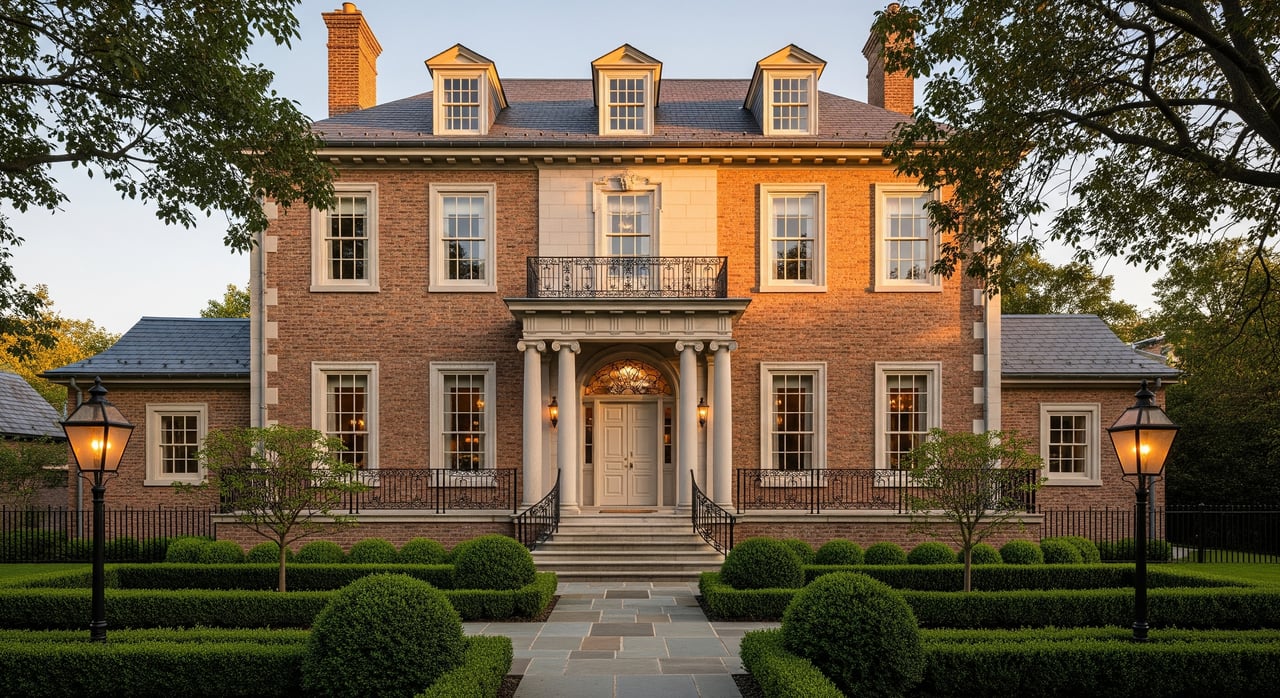
Colonial Revival homes rose in popularity from the late 19th century into the mid-20th century. On the exterior, symmetry rules. Look for a centered front door with pilasters or a small columned porch. Windows are often multi-pane double-hung, and ornament is cleaner and more restrained than in Queen Anne homes.
Floor plans are more regular, often with a center hall and rooms arranged symmetrically on either side. You still get gracious, formal rooms, but flow is simpler and easier to adapt for a contemporary lifestyle. Brick and wood clapboard are common, and roofs are often slate or shingle.
If you are aiming for a balanced layout with graceful proportions, Colonial Revival can feel like a sweet spot. Kitchens and baths are straightforward to reconfigure, and the façade’s classical order tends to age well.
Craftsman and bungalow charm
Early 20th century American Craftsman and bungalow homes bring human-scale comfort to College Hill. Exteriors have low-pitched gables with wide eaves and exposed rafter tails. Porches are prominent, often with tapered or square piers. The overall effect emphasizes hand-crafted detail and honest materials.
Inside, layouts are compact and efficient. Many bungalows feature an open living and dining sequence, built-in bookcases, window seats, and integrated storage. Ceilings are slightly lower than in Victorians, and spaces feel warm and purposeful.
Materials include wood siding, shingle accents, and brick or stone porch piers. Bungalows suit smaller households and casual living. Built-ins help preserve character and reduce the need for added furniture.
Other styles and hybrids
You may also find mid-19th century Gothic Revival or Greek Revival examples, though they are less common. Many properties show a blend of periods, such as a Colonial Revival porch added to an earlier frame house. Expect hybrid details and later updates, which is part of the neighborhood’s visual interest.
How style shapes maintenance and costs
Older homes deliver character and craftsmanship, but they need care tailored to their materials and details.
- Wood siding and shingles require periodic painting, caulking, and repair. Using in-kind materials preserves value but can increase cost.
- Decorative millwork and porches often need skilled carpentry to repair or replicate.
- Slate and complex Victorian roofs are long-lived yet costly to repair or replace. Hire roofers experienced with slate and flashing.
- Masonry foundations and chimneys may show settling or mortar deterioration that needs tuckpointing or stabilization.
- Original wood windows can be drafty if neglected, but professional repair plus storm windows is a durable, cost-effective strategy. The National Park Service’s Preservation Briefs explain best practices for windows, porches, and other historic assemblies.
Energy upgrades can be sensitive in historic buildings. Focus on attic insulation, targeted wall insulation where appropriate, air sealing, and storm windows to balance comfort with character. For background, the U.S. Department of Energy offers guidance on improving energy performance in older and historic structures.
Red flags vs. stewardship
When you tour or review disclosures, look for clues about how a house was cared for.
Signs of good stewardship
- Intact original features in sound condition, such as porch rails, mantels, staircases, and sash windows.
- Documented systems upgrades, including HVAC, electrical, and plumbing, completed with permits when required.
- Well-maintained roofs and flashing, and gutters that are fitted and functioning.
- Consistent paint and finishes, solid porch floors, and foundations without significant settlement issues.
- Records of historic-appropriate repairs and any required exterior review approvals.
Red flags that merit deeper inspection
- Persistent moisture in basements, efflorescence on masonry, or widespread rot on porch supports.
- Sagging roofs or floors, severe foundation cracks, or bulged masonry.
- Incompatible alterations like vinyl siding over original trim without addressing underlying damage.
- Replacement windows that removed significant historic fabric or damaged surrounding trim.
- Major work without permits or repeated patching that signals deferred maintenance.
If concerns arise, hire a home inspector who knows historic construction, and bring in a structural engineer for suspected foundation or framing issues. Ask for permits and contractor documentation. If a property is in a local historic district, confirm with the City of Easton what was reviewed or approved and whether any easements or covenants apply.
Quick style ID checklist
A fast way to narrow the style during a walk-by or showing:
- Roof shape: Mansard roofs point to Second Empire. Varied steep roofs and a turret suggest Queen Anne. Low gables with exposed rafters indicate Craftsman.
- Symmetry: A balanced, centered façade often signals Colonial Revival. Asymmetry leans Victorian.
- Porch supports: Tapered or square piers are Craftsman. Turned posts with spindlework are Queen Anne. Classical columns suggest Colonial Revival.
- Windows: Tall, narrow, arched windows are often Italianate. Multi-pane upper sashes are common in Colonial Revival.
How each style lives day to day
- Size and flow: Victorian homes often have more rooms and square footage but less open flow. Bungalows are smaller and efficient. Colonial Revival usually sits in the middle with adaptable plans.
- Maintenance commitment: Ornate Victorian exteriors and complex roofs require more upkeep than a simpler Craftsman form.
- Adaptability: Colonial Revival and some Victorian layouts can be opened thoughtfully. Bungalows may need creative reconfiguration to expand kitchens or add baths.
- Budget priorities: Plan for systems upgrades, roof work, and porch or siding restoration. Kitchen and bath projects in historic homes cost more when you preserve original plaster, trim, and millwork.
Permits, programs, and incentives
Exterior changes in a local historic district may require review. Start with the City of Easton’s planning and Historic District Commission resources to understand what needs approval and typical timelines.
For income-producing properties that qualify, the National Park Service outlines Federal Historic Preservation Tax Incentives for certified rehabilitations. Pennsylvania and local programs may also exist, so coordinate early with state resources and the municipality to confirm eligibility before you finalize plans or budgets.
Common financing options for residential projects include standard mortgages and rehab loans, such as products that bundle purchase and renovation. Local lender policies vary, so review scope and timelines with your lender early in the process.
What to look for on a tour
Bring a camera and take notes focused on these elements:
- Full façade and roofline, including any turrets, gables, dormers, or mansard slopes.
- Porch details, such as columns, brackets, balustrades, and flooring condition.
- Windows and doors, including sash type, trim, and any stained or leaded glass.
- Roof material and flashing, especially slate, valleys, and chimney caps.
- Interior craft details, such as staircases, mantels, ceiling medallions, built-ins, and plaster condition.
For repair strategies and material guidance, the National Park Service’s Preservation Briefs library is a strong primer before you engage contractors.
Buying or selling with confidence
Whether you are refining a search or planning a sale, understanding style and stewardship helps you set the right expectations. It informs what to prioritize during inspections, how to budget, and how to position a home’s story in the market. If you are weighing upgrades, align your plans with local review rules so that future buyers can appreciate both the character and the improvements.
If you want a discreet, construction-savvy perspective on a College Hill home, start a confidential conversation with Petrina Calantoni Unger. Her practice blends hands-on building knowledge with curated, luxury marketing across Bucks County and the Lehigh Valley.
FAQs
How do Queen Anne and Colonial Revival differ in College Hill?
- Queen Anne homes are asymmetrical with varied rooflines, towers, and ornate trim, while Colonial Revival homes emphasize symmetry, a centered entry, and restrained classical details.
Will historic district rules limit my exterior renovations in Easton?
- Possibly. National Register listing does not regulate private owners, but local ordinances often do. Confirm requirements with the City of Easton’s planning and Historic District Commission resources before you start work.
Are original wood windows worth preserving in an 18042 home?
- Often yes. Repaired wood sash combined with weatherstripping and storm windows can improve comfort and longevity while preserving character, as supported by National Park Service guidance.
What big-ticket costs should I plan for in older College Hill homes?
- Common higher-cost items include roof work, foundation stabilization, full systems upgrades for HVAC, electrical, and plumbing, and comprehensive porch, siding, or trim restoration.
Are there incentives for renovating an older income-producing property?
- The National Park Service’s Federal Historic Preservation Tax Incentives may apply to qualified, certified rehabilitations of income-producing properties. Verify details early with state and local resources.