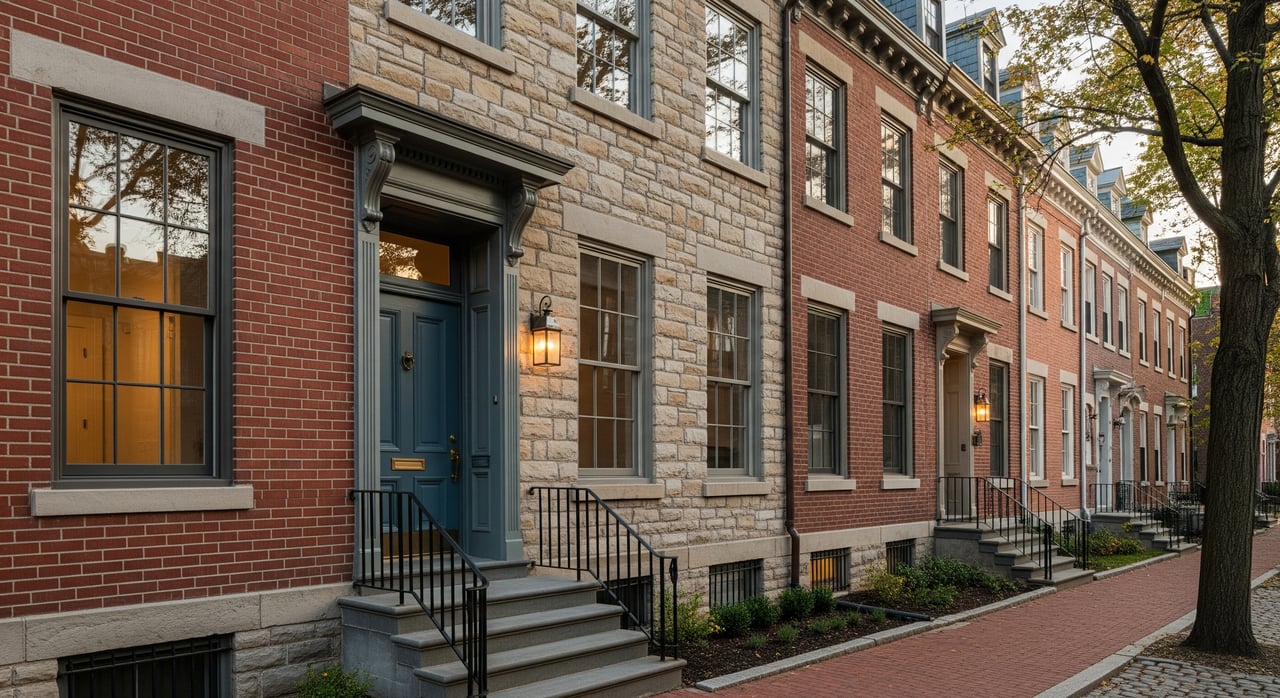
Thinking about renovating a historic home in Bethlehem? You are not alone. Many owners love the character of slate roofs, original windows, and hand‑crafted trim, but worry about approvals, timelines, and costs. The good news: with the right plan, you can update thoughtfully and keep your project moving. This guide explains what typically needs approval, how the review works, smart design choices that pass muster, and practical steps to avoid surprises. Let’s dive in.
What “historic district” means for you
If your property sits in one of Bethlehem’s historic districts, exterior changes visible from public streets usually require review. Interior work is typically not regulated unless it affects the exterior. The goal is simple: protect the district’s character while allowing compatible updates.
Local commissions use the Secretary of the Interior’s Standards for Rehabilitation as the baseline for decisions. You can preview those principles in the National Park Service’s overview of the Secretary of the Interior’s Standards.
COA basics in Bethlehem
Most exterior projects need a Certificate of Appropriateness (COA) before work starts. Bethlehem’s program details, forms, and meeting schedules can change, so always check the City of Bethlehem website for current requirements.
Typical review focuses on whether your plans are compatible with the building and the streetscape. Well-documented proposals that follow the standards are often approved.
Projects that usually need approval
- New construction and additions
- Demolition or partial demolition of contributing features
- Window and door replacement or significant alteration
- Porch, stoop, and railing changes
- Siding and exterior cladding changes, including covering masonry
- Roofing material changes, especially slate or metal replacements
- Chimney changes or removal
- Fences, driveways visible from the street, exterior lighting, and signage
- Mechanical equipment in view, including condensers, meters, and roof‑mounted systems
- Solar panels visible from public areas
Paint policies vary by municipality. Some treat color as administrative, others expect historically compatible palettes. Verify Bethlehem’s current approach on the city’s preservation pages.
What to include in your COA application
A clear, complete submission reduces delays. Most applications include:
- Application form and a concise project narrative
- Site plan or sketch and photos of existing conditions
- Scaled drawings or elevations of proposed work
- Material samples, product cut sheets, and color chips
- Contractor information and a proposed timeline
Reviewers often compare your proposal to the Secretary’s Standards and local guidelines. For technical methods, the National Park Service’s Preservation Briefs are a helpful resource.
Plan your timeline and budget
Build extra time into your schedule. Typical pathways look like this:
- Administrative or staff review for minor changes: about 1 to 3 weeks
- Full commission review for major work: about 4 to 8 weeks or more
- Revisions or appeals can add time, so plan contingencies
COA approval is separate from building permits. You may need both. The City of Bethlehem website is your starting point for current steps and contacts.
Smart approaches for period homes
A few choices tend to succeed in historic review and deliver long-term value:
Windows and doors
- Repair original wood sash whenever feasible. It often costs less than you think and preserves historic character.
- If replacement is unavoidable, choose custom units that match original profiles, muntin patterns, and sightlines. Vinyl full-frame replacements are often discouraged.
Masonry and mortar
- Use compatible mortar, often lime-based, and correct repointing techniques to protect bricks or stone.
- Avoid covering masonry with synthetic siding that hides historic materials.
Roofing and cornices
- Preserve slate or standing-seam metal when possible. If a substitute is approved, choose a similar profile and color.
Porches and entry details
- Keep historic porches, posts, balustrades, and trim. Repairs usually beat removals.
- New porch work should reflect historic proportions and materials.
Mechanical and energy upgrades
- Place condensers and meters out of public view when possible.
- Insulate and upgrade HVAC in ways that minimize visual change to the exterior.
- For solar, low-profile panels on rear or secondary roof planes are most commonly accepted. Confirm the local policy before ordering equipment.
Health and safety in older homes
If your home was built before 1978, plan for lead-safe work practices. The EPA’s Renovation, Repair and Painting Rule requires certified renovators and specific methods when disturbing painted surfaces. Learn the basics from the EPA’s RRP Rule. Older homes can also include asbestos in certain materials; specialized contractors may be required.
Pre-purchase and planning checklist
Use this if you are evaluating a property or preparing for work:
Before you buy
- Confirm if the property is in a historic district and whether it is a contributing resource.
- Ask the seller for COAs, permits, and maintenance records.
- Request disclosures on any prior exterior work and approvals.
- Get a condition assessment covering roof, windows, porches, masonry, foundation, and moisture issues.
- Contact the city’s preservation staff to ask about any outstanding COAs or enforcement issues via the City of Bethlehem website.
Before design
- Download and review local guidelines and application checklists from the city.
- Hire professionals experienced with historic properties.
- Assemble clear photos and a narrative of proposed work.
Application stage
- Submit a complete COA packet with drawings, samples, and timelines.
- Build time for one or more meetings and potential revisions.
Construction stage
- Keep approvals on site and document work with photos.
- Coordinate building permits with COA conditions and inspection schedules.
Permits, codes, and other layers
Some projects also trigger state or federal review if public funds or permits are involved. Pennsylvania’s state preservation office offers resources and program updates at the Pennsylvania Historical & Museum Commission.
Income-producing historic buildings may be eligible for the Federal Historic Rehabilitation Tax Credit if the work meets federal standards. Start with the NPS summary of Federal Historic Rehabilitation Tax Incentives. Owner-occupied primary residences typically do not qualify for this federal credit.
Avoid these common pitfalls
- Starting exterior work without a COA, which can lead to stop-work orders and fines
- Swapping historic windows for modern units that change sightlines and appearance
- Covering masonry with synthetic siding or removing porches that define the facade
- Underestimating the time needed for design, review, and permitting
- Missing hidden issues like rot, drainage problems, lead, or asbestos that expand scope
Your next best step
Preserving Bethlehem’s heritage and creating a home that fits your life is possible with thoughtful planning. Begin with the city’s guidelines, map your timeline, and assemble a team that understands historic fabric and local review. If you want a steady hand to help evaluate scope, timing, and resale impact, reach out to Petrina Calantoni Unger to start a confidential conversation.
FAQs
Do I need approval to replace windows in Bethlehem’s historic district?
- Window replacement visible from the street typically requires a COA, and many guidelines favor repairing original wood sash or in-kind replacement. Verify current rules on the City of Bethlehem website.
Are paint colors regulated for Bethlehem historic homes?
- Paint policies vary by municipality. Some treat color administratively, while others expect compatible palettes for primary facades. Check Bethlehem’s current policy on the city’s site.
How long does a COA approval usually take in Bethlehem?
- Minor staff-level approvals can take about 1 to 3 weeks; full commission reviews often take about 4 to 8 weeks or more, depending on meeting schedules and application completeness.
Can I install solar panels on a historic home in Bethlehem?
- Many districts consider low-profile panels on rear or non-primary roof planes; visibility from public streets is a key factor. Confirm Bethlehem’s current approach before purchasing equipment via the City of Bethlehem website.
Do owner-occupied homes qualify for the federal historic tax credit?
- The federal credit primarily applies to income-producing historic properties. Review the NPS overview of Federal Historic Rehabilitation Tax Incentives for eligibility.
What is the EPA RRP Rule and why does it matter for Bethlehem homes?
- For pre-1978 housing, the EPA’s RRP Rule requires certified renovators and lead-safe practices when disturbing painted surfaces. See the EPA’s RRP guidance for details.