Selling a historic home in Bethlehem is not just about picking a popular month and hoping for the best. If your home has period details, visible exterior elements, or a location in one of Bethlehem’s historic districts, your timing depends on more than buyer demand alone. When you understand how market seasonality, city review timelines, and local event patterns work together, you can choose a listing window that feels strategic instead of stressful. Let’s dive in.
Why timing matters more for historic homes
In Bethlehem, historic homes sit in a market where character is a major part of the appeal. The city describes the Central Bethlehem Historic District as a unique historic area, and UNESCO identifies Bethlehem as the first permanent, best-preserved Moravian settlement in North America. That kind of heritage can help a home stand out, but it also means sellers need to plan around preservation rules and property presentation.
If your home is in a regulated historic area, exterior changes that are visible from a public way may require review. Bethlehem notes that HARB reviews these exterior alterations, and in three special districts a Certificate of Appropriateness is required before a building permit is issued. In practical terms, this means your ideal list date may be shaped by approval calendars as much as buyer behavior.
Spring is usually the strongest starting point
If your home is market-ready, spring is still the best place to begin your planning. National data in the research points to mid-April through late May as the strongest general listing window, with late May often performing especially well. Zillow reports that homes listed in the last two weeks of May can earn about 1.7% more than the average week.
Realtor.com’s 2026 research also found a strong spring advantage, identifying April 12 through 18 as the best national listing week and noting higher views and faster sales than average. At the same time, that report makes an important point for Bethlehem sellers: local markets can run earlier or later than the national calendar. So while spring is often favorable, it is not a guarantee and it is not the only good option.
Bethlehem market conditions still support well-prepared listings
The local numbers suggest that buyers are active and homes are still moving. The research shows Bethlehem listings and sales often going under contract relatively quickly, though the exact figures vary by platform. GLVR data for Lehigh and Northampton counties also showed a firm spring market, with low supply, days on market under a month, and sellers receiving around or above list price on average in April and May 2025.
That matters because a fast-moving market does not excuse poor preparation. For a historic home, thoughtful pricing, polished presentation, and a clear plan for any property-specific details are what help you make the most of buyer demand. In a market where buyers act quickly, the homes that feel ready tend to earn the strongest response.
The approval calendar may decide your list date
For many Bethlehem historic homeowners, the real question is not “When is the hottest week to list?” but “When will my home truly be ready?” If you need exterior repairs, replacement materials, or permit-related work, you need to count backward from city deadlines. Bethlehem’s review boards meet monthly, and complete applications must be filed four weeks before a HARB meeting or two weeks before an HCC meeting.
That built-in timeline can easily shift your target launch by several weeks or more. The city’s design guidelines also emphasize repair first and in-kind replacement when original features must be replaced. If your shutters, windows, masonry details, porch elements, or trim need attention, it is usually wiser to plan carefully than to rush a listing with unfinished or unresolved exterior issues.
How far ahead should you start planning?
Most sellers begin thinking seriously about a move three to four months before they list, according to Zillow. For a Bethlehem historic home, that is a useful minimum, not always the full runway. If your home needs exterior work, city review, contractor scheduling, or a more deliberate presentation strategy, starting even earlier can make the process much smoother.
A practical timeline often looks like this:
- Three to four months out: evaluate condition, pricing, and market timing
- Early in the process: identify any exterior items that may need review or approval
- Before photography and launch: complete repairs, touch-ups, and presentation work
- Several weeks before listing: align your launch with the local calendar, including events and traffic patterns
For legacy properties, a calm and well-sequenced rollout usually serves you better than a rushed debut.
When spring is the best choice
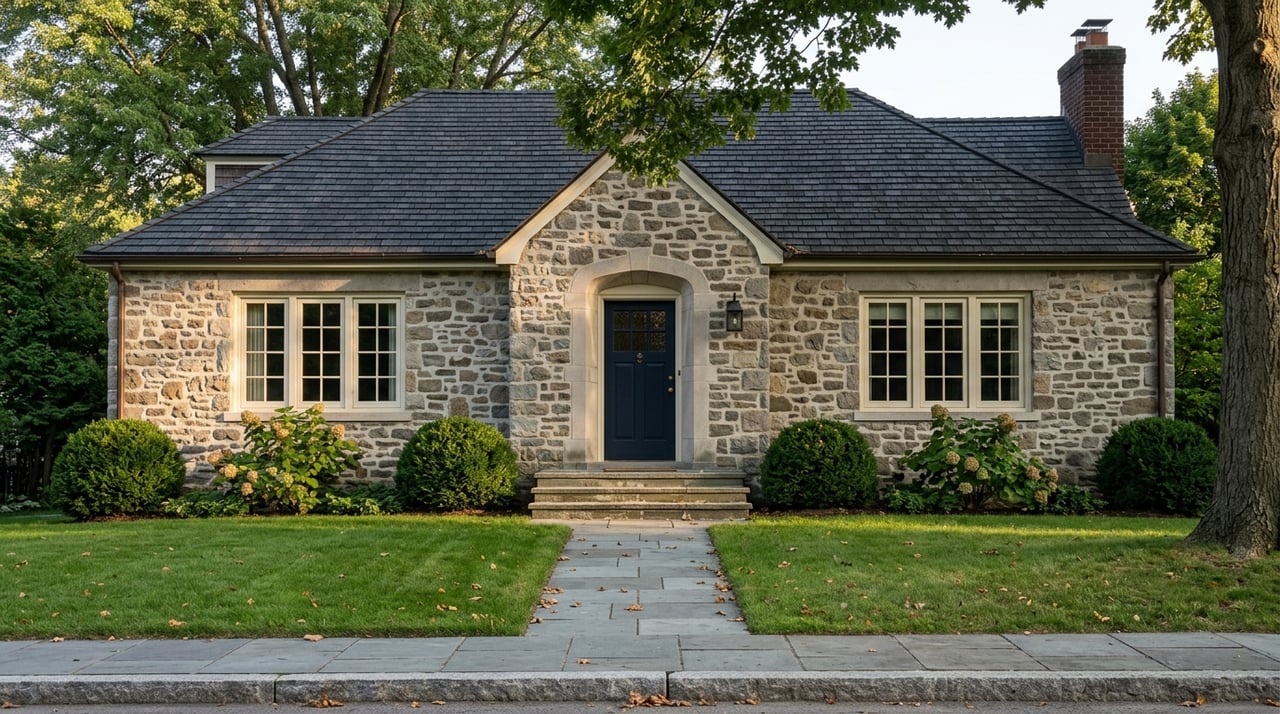
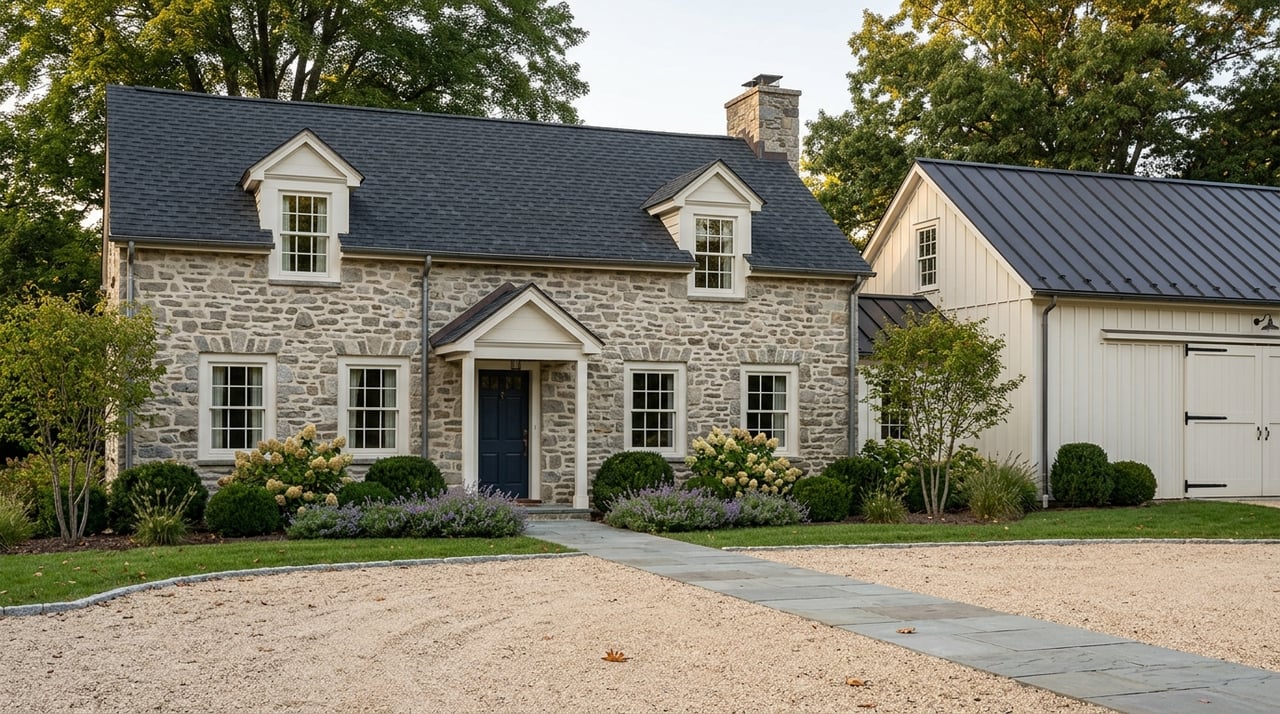
Spring is often the strongest fit when your home already shows well and your exterior is in good condition. Gardens begin to wake up, natural light improves, and buyers are typically active as they plan moves before summer. Historic homes with brick, stone, mature landscaping, and traditional architecture often photograph beautifully in this season.
Spring can be especially helpful if your sale depends on first impressions from the street. If your home has a charming entry, a deep front porch, original windows, or established plantings, that visual appeal can support stronger buyer interest. In Bethlehem, where character matters, spring tends to showcase these details naturally.
When to avoid rushing into spring
A spring listing is not worth much if the house is not ready. If you still need visible exterior work, approvals, or more extensive preparation, forcing a launch just to catch a national “best week” can backfire. Buyers may still move quickly, but they also notice deferred maintenance, unresolved work, and pricing that does not match condition.
Realtor.com’s research supports this point. Well-priced, move-in-ready homes can still succeed outside the national best week. For historic properties, that often means the better move is to delay until your home’s craftsmanship, condition, and story are fully in place.
Summer can work, with local caveats
Summer remains a viable selling season in Bethlehem, but location matters. If your historic home is in a walkable downtown area or near the most active event zones, the city’s festival calendar can affect traffic, parking, and the ease of showings. ArtsQuest notes that Musikfest runs July 31 through August 9, 2026, across both downtowns with special parking rates, shuttle service, and a plan-ahead approach.
That kind of energy can increase visibility for the area, but it can also make open houses feel less convenient. The same general issue can apply during Celtic Classic in late September and Christkindlmarkt on multiple weekends from mid-November through late December. If your buyer is likely to value easy parking and quiet access, those weekends may not be ideal for your most important showing activity.
Fall may be a smart, lower-stress option
If your goal is a smoother experience rather than maximum seasonal buzz, fall can be a strong alternative. Buyers who are active in fall are often serious and motivated, even if they are somewhat more price-sensitive. For a historic home with warmth, texture, and architectural detail, fall can also create a very compelling atmosphere.
This season may work especially well if you missed spring because of approvals or project delays. Cooler weather, mature landscaping, and less competition than peak spring can still give your home a strong stage. The key is making sure your pricing and presentation are realistic for the season.
Holiday season timing is more nuanced
Bethlehem’s identity as Christmas City USA adds a unique layer to late fall and early winter selling. The city’s holiday season is part of its public character, and for some historic homes that setting can support a memorable lifestyle story. If your property is near the heart of downtown, seasonal charm may help buyers connect emotionally with the location.
Still, the holiday season brings heavier visitor traffic and more competition for attention. That can complicate logistics for showings and open houses, especially in parking-sensitive areas. For some sellers, this season is a good fit for selective private showings rather than a broad public launch.
Does historic designation hurt resale?
In Bethlehem, it is more accurate to think of historic designation as a tradeoff rather than a drawback. It adds process, especially when exterior work is involved. But the same preservation framework is also part of what makes Bethlehem’s historic areas desirable and distinctive.
The city’s guidelines describe historic character as a reason the area is highly desirable to live, work, and visit. That does not mean every buyer wants the responsibilities that come with an older home. It does mean that many buyers are drawn to authenticity, setting, craftsmanship, and a sense of continuity that newer homes often cannot replicate.
A simple framework for choosing your best time
If you are trying to decide when to sell, start with readiness, not the calendar alone. Ask yourself these questions first:
- Does the home need exterior work visible from the street?
- Will any planned work require HARB or HCC review?
- Is the property fully polished, photographed well, and priced for today’s market?
- Does the location make parking or event traffic a concern on certain weekends?
- Is your priority top exposure, or a steadier and less stressful process?
From there, your likely path becomes clearer:
- Choose spring if the home is ready and you want the broadest buyer pool
- Choose a later launch if approvals, repairs, or presentation work are still in progress
- Choose fall if you value motivated buyers and a calmer pace
- Avoid major event weekends if your home is downtown or access-sensitive
The best time is when preparation and market timing meet
For a Bethlehem historic home, the best selling window is usually the point where your property is fully prepared and the market is active enough to reward that effort. Often, that lands in mid-April through late May. But for many owners, especially those managing approvals or careful exterior work, the smarter answer is the first moment your home can come to market without compromise.
Historic homes are rarely commodity listings. They ask for more planning, more care, and more respect for what makes them special. When you match that preparation with the right seasonal window, you give your home the best chance to attract the right buyer and the right result.
If you are thinking about selling a historic home in Bethlehem and want a thoughtful plan built around timing, preparation, and presentation, Petrina Calantoni Unger can help you map out the process with care and discretion.
FAQs
When is the best month to sell a historic home in Bethlehem?
- For many sellers, late spring is the strongest starting point, especially from mid-April through late May, but the best month depends on whether your home is fully ready and whether any approvals are still pending.
Do Bethlehem historic district rules affect when you should list?
- Yes. If your home needs exterior work that is visible from a public way, review timelines and application deadlines can delay your ideal listing date.
Is spring always the best season for Bethlehem historic home sales?
- No. Spring is often favorable, but a well-prepared home can still perform well in summer or fall, especially if delaying allows you to complete needed work and present the home properly.
Does historic designation reduce resale value in Bethlehem?
- Not necessarily. In Bethlehem, historic designation is better understood as a tradeoff that adds process while also contributing to the character and appeal that many buyers value.
How early should you prepare to sell a historic house in Bethlehem?
- A good baseline is three to four months before listing, but homes that need exterior repairs, approvals, or more detailed preparation may need a longer planning window.
Should you avoid listing a downtown Bethlehem historic home during major events?
- In many cases, yes. Events like Musikfest, Celtic Classic, and Christkindlmarkt can increase visibility for the area, but they may also make parking, traffic, and open house logistics more difficult.