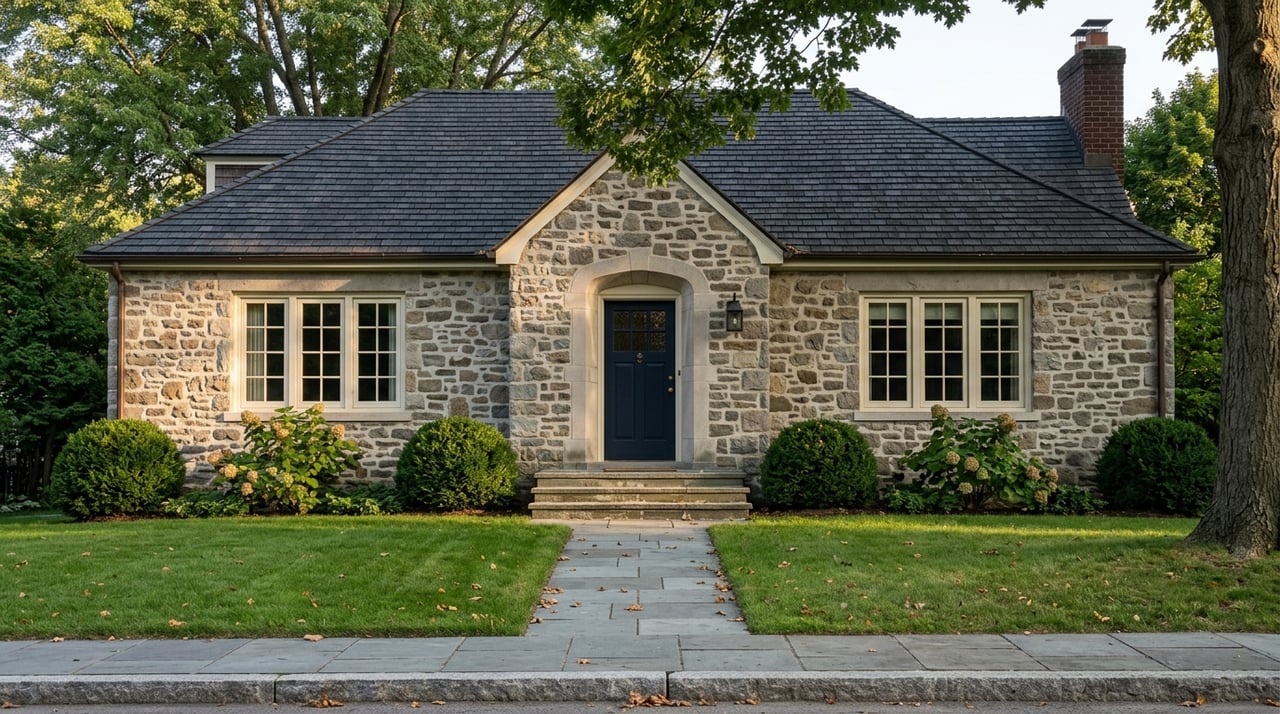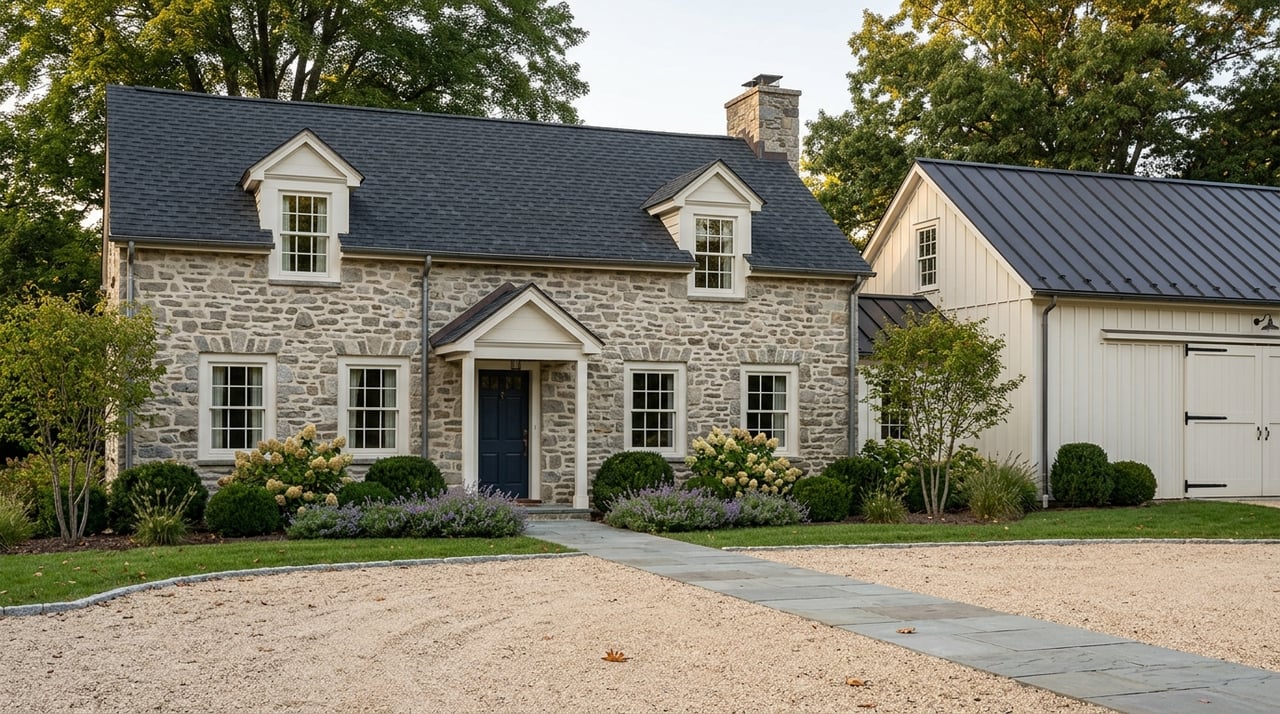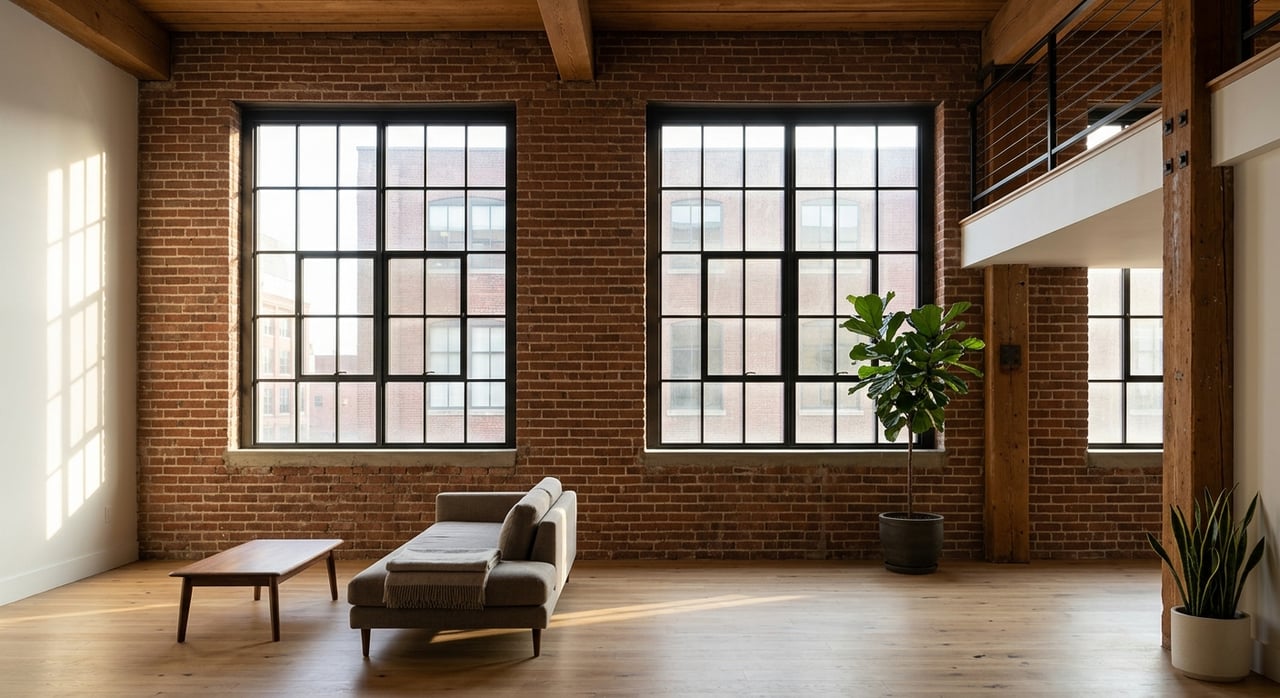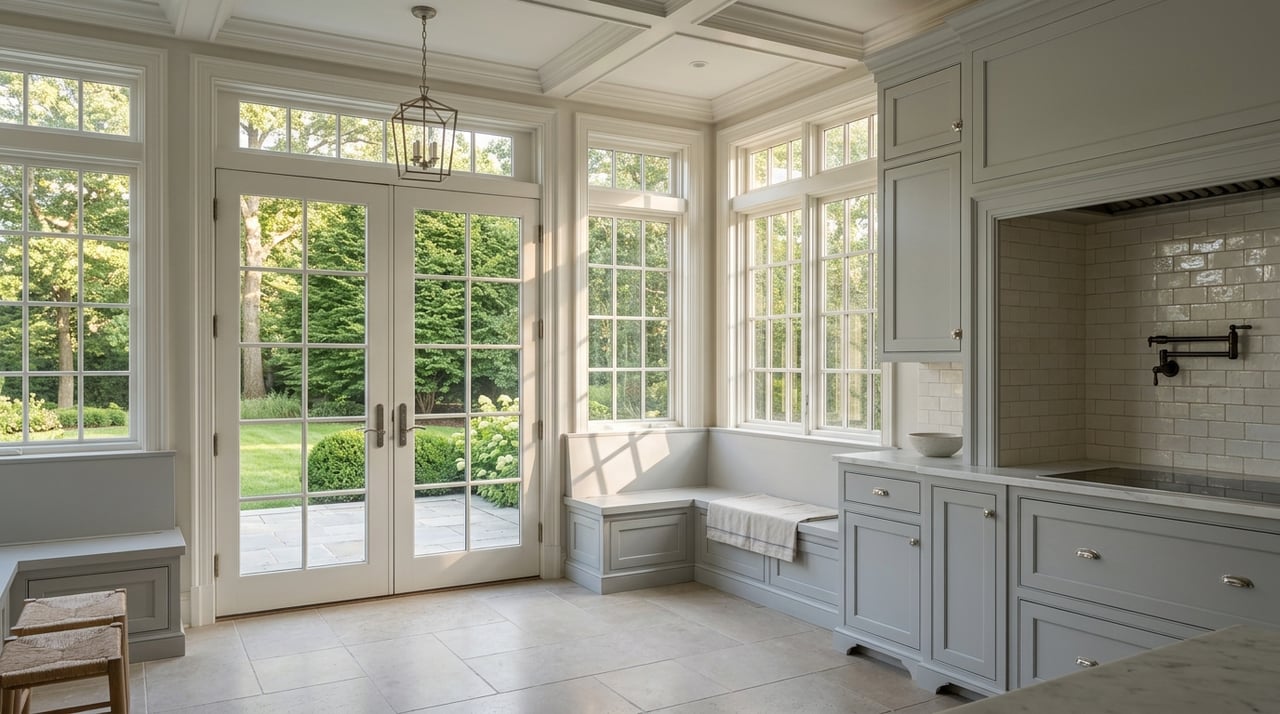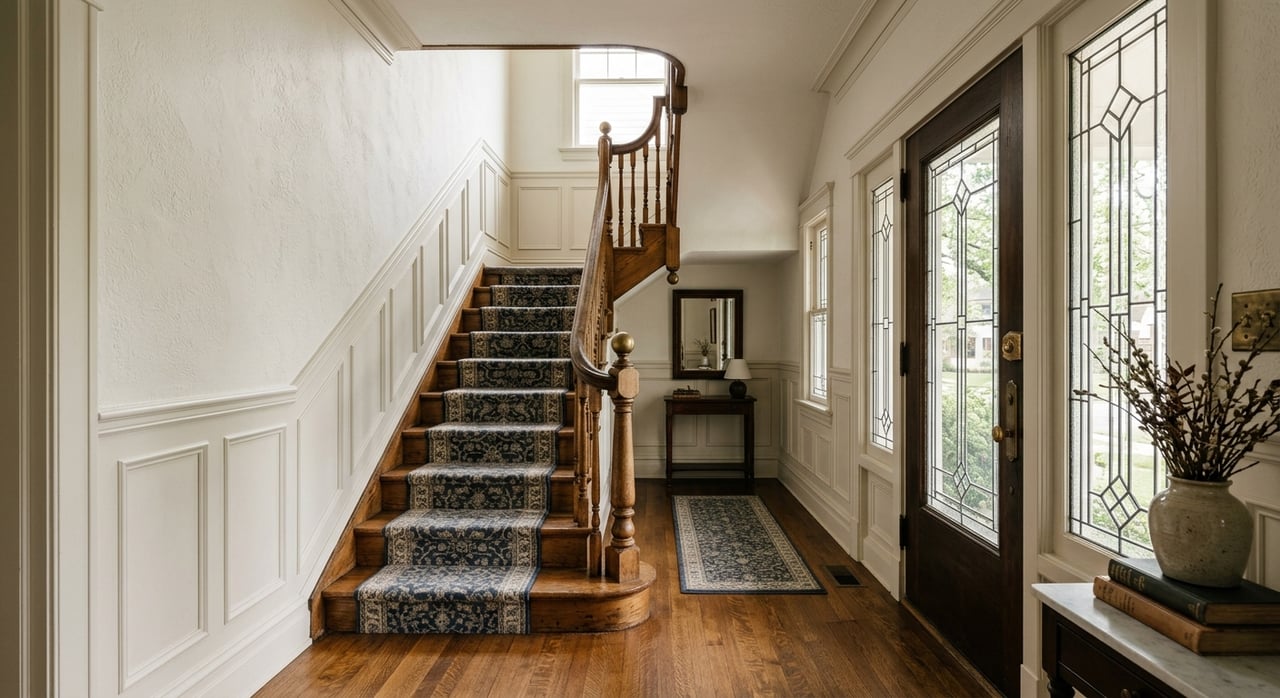
You can fall for a Bethlehem character home in minutes, then spend months untangling what it really needs. From stone walls and original windows to porches, trim, and slate-like rooflines, these homes offer the kind of texture and craftsmanship many buyers want. The key is knowing how to evaluate charm with clear eyes so you can protect both your investment and the home’s character. Let’s dive in.
What Counts as a Character Home in Bethlehem
In Bethlehem, many buyers use terms like historic, older, and character home interchangeably, but they are not always the same thing. What matters most for your purchase is whether the property sits inside one of the city’s locally regulated districts, because that can affect exterior work and approval timelines.
The City of Bethlehem identifies three special districts where a Certificate of Appropriateness may be required before a building permit is issued for certain exterior work. These are the Bethlehem Historic District north of the Lehigh River, the South Bethlehem Historic Conservation District, and the Mount Airy Neighborhood District. If you are considering a home in one of these areas, that status should be part of your due diligence from the start.
North of the river, exterior changes are reviewed by HARB. In South Bethlehem and Mount Airy, HCC handles exterior review, with recommendations forwarded to City Council for approval or denial of the COA. That means your renovation ideas may involve more than design and budget alone.
It is also important to separate local district rules from National Register status. National Register listing does not, by itself, place federal restrictions on a private owner’s use of the property, while local Bethlehem ordinances can still govern exterior changes. For buyers, local status is usually the more practical question.
Why Bethlehem Homes Feel So Distinctive
Many older Bethlehem homes reflect building methods and materials that still shape how they perform today. The city’s sustainability guidance notes that locally quarried stone, masonry mass, and operable double-hung windows can help regulate temperature and support ventilation and light.
That matters because an older house often works as a system. What looks outdated at first glance may actually be part of the home’s original logic. In many cases, the smartest path is not to strip that logic away, but to understand it and improve it carefully.
Bethlehem’s design guidance highlights several character-defining exterior features buyers should study early. These include roofs, windows, shutters, porches, entrances, trim, and decorative details. Those same elements often shape both future maintenance costs and the approval path for exterior projects.
What to Inspect Before You Buy
A character home inspection should go beyond the usual checklist. You want to understand not just whether something is old, but whether it is aging well, has been repaired properly, or may create larger costs later.
Check Masonry Closely
Older Bethlehem homes often rely heavily on brick or stone masonry. Exposed masonry should be checked for cracking, spalling, bowing, leaning, and mortar deterioration, because these issues can point to moisture intrusion, structural movement, or past repair problems.
If repointing has been done, ask how it was handled. Historic masonry can be damaged by improper mortar, so repair history matters. What looks like a neat cosmetic patch may not always be a good long-term fix.
Review Roofs and Drainage
Roof condition deserves careful attention in a character property. Bethlehem’s guidelines emphasize routine roof inspection and the importance of maintaining gutters and downspouts, since water problems at the roofline can affect trim, plaster, framing, and masonry all at once.
If materials have been replaced, compatibility matters. The city recommends matching original color, pattern, material, and texture when roofing materials need replacement, which can affect both cost and future planning.
Look Hard at Windows and Doors
Original windows are often one of the first things buyers worry about. In many historic homes, though, windows can often be repaired or upgraded rather than replaced, and weatherstripping, caulking, and storm windows may be a better first step than a full replacement project.
That can be important for both budget and character. Historic windows in older buildings have often lasted more than a century, and with proper maintenance they can continue performing well over time.
Plan for Lead and Radon Testing
Lead-based paint should be part of the inspection conversation for older Bethlehem homes. According to EPA data, 87% of homes built before 1940 and 24% of homes built from 1960 to 1978 contain some lead-based paint, and known lead-based paint information generally must be disclosed before the sale or lease of most pre-1978 housing.
Radon testing should also be treated as a routine step in Pennsylvania. The Pennsylvania DEP says radon is odorless and invisible, can enter through foundation cracks, and that roughly 40% of tested homes in Pennsylvania are above the EPA action guideline of 4 pCi/L. If the home has a basement or lower-level living space, this is especially important.
Evaluate Mechanical Systems as a Whole
Older-home comfort issues are not always caused by one failing system. A drafty room, uneven temperatures, or high utility bills may reflect a combination of building-envelope issues and mechanical-system performance.
The National Park Service recommends an energy audit before improvements so deficiencies can be identified in both the building envelope and mechanical systems. For buyers, that is a useful reminder to think beyond the furnace and ask how the whole house functions together.
How to Update Without Losing Character
One of the best things about buying a Bethlehem character home is the chance to make it your own. The challenge is doing that in a way that respects the home’s defining features and avoids expensive missteps.
Bethlehem’s preservation framework favors a simple sequence: maintenance first, then repair and replacement, then alterations, adaptive reuse, and only after that additions and new construction. This gives you a useful lens for renovation planning, especially if your initial wish list is long.
Repair Before You Replace
Windows and doors are a classic example. Both Bethlehem’s sustainability guidance and National Park Service recommendations support repair before replacement when feasible.
In practice, that may mean restoration work, selective hardware upgrades, weather-sealing, or storm windows instead of a full tear-out project. For many buyers, this approach protects the look of the home while avoiding unnecessary loss of original material.
Air Seal Selectively
Draft reduction matters, but older houses should not always be sealed as tightly as possible. The National Park Service recommends caulking and weatherstripping to reduce air infiltration, while also warning that over-sealing a historic building can create ventilation problems.
In older masonry homes, selective improvements often work best. The goal is usually to reduce drafts without trapping moisture or changing how the house breathes.
Choose Compatible Materials
If replacement is unavoidable, Bethlehem’s guidelines stress compatibility. Replacement materials should match the size, profile, character, color, texture, or appearance of the historic element as closely as possible.
The city specifically discourages vinyl or aluminum siding over wood, brick, stone, or stucco because those coverings can change historic appearance and trap moisture. That is an important budgeting lesson: a cheaper material upfront may lead to a more expensive outcome later.
Think Ahead About Exterior Additions
Rooftop and exterior changes can be especially sensitive in historic settings. Bethlehem’s HARB guidelines note that visible rooftop changes such as skylights, solar collectors, mechanical equipment, roof decks, and similar roof alterations may be discouraged when they are visible from a public way.
If you are considering solar, HVAC upgrades, or a more ambitious exterior project, raise those questions before you close. In a character home, feasibility is part of value.
Understand the Approval Timeline
If the home is in one of Bethlehem’s local historic districts, exterior work visible from a public way may require a COA before a permit can be issued. The city notes that review can extend to items like storm windows and doors, changes to materials and paint colors, retaining walls, stairs, railings, and signage.
A typical COA application may require photos, a project description, scaled drawings, color and material samples, and product information. Incomplete submissions or requested revisions can delay the process by weeks or even months.
Bethlehem’s design guidelines indicate that a complete HARB submission typically takes about six to eight weeks from application to building permit. For buyers, this means renovation planning should account for calendar time as well as construction cost.
Build the Right Team Early
Character homes reward thoughtful planning. They also tend to go more smoothly when you have the right specialists involved before the transaction is too far along.
A strong team may include:
- A home inspector familiar with older houses
- A mason experienced with historic brick or stone
- A lead-safe contractor for pre-1978 work
- A radon tester or mitigator
- A contractor or designer who understands Bethlehem’s COA process for exterior changes
For buyers considering a historic or architecturally significant home, this kind of team can help you separate manageable upkeep from major risk. It can also help you move from admiration to a workable ownership plan.
Buying a Bethlehem character home is rarely just about square footage or finishes. It is about craftsmanship, context, and the long view. When you understand the home’s district status, materials, inspection priorities, and renovation path before you commit, you are in a much better position to preserve what makes the property special while making it work for your life today.
If you are considering a character-rich home in Bethlehem or the surrounding Lehigh Valley, working with an advisor who understands older properties, construction realities, and approval pathways can make the process far more confident and clear. To start a private conversation, connect with Petrina Calantoni Unger.
FAQs
What makes a home a character home in Bethlehem?
- In Bethlehem, a character home often refers to an older property with notable original features such as masonry, windows, porches, trim, roofs, and decorative details, but local historic-district status is what most affects exterior project approvals.
Do all older Bethlehem homes need historic approval for repairs?
- No. The City of Bethlehem says ordinary maintenance that does not change exterior appearance or materials is generally not HARB reviewable, and interior work is not under HARB jurisdiction, though other permits may still be required.
Should buyers test for radon in Bethlehem homes?
- Yes. Pennsylvania DEP says radon is a common issue in the state, and roughly 40% of homes tested in Pennsylvania are above the EPA action guideline of 4 pCi/L.
Should buyers worry about lead paint in older Bethlehem houses?
- Yes. EPA says older homes are more likely to contain lead-based paint, especially homes built before 1978, so testing, disclosure review, and lead-safe renovation planning should be part of due diligence.
Can original windows in Bethlehem character homes be worth keeping?
- Yes. National Park Service guidance says historic windows can often be repaired or upgraded, and Bethlehem’s sustainability guidance also supports repair over replacement where feasible.
How long can historic exterior approvals take in Bethlehem?
- Bethlehem’s design guidelines say a complete HARB submission typically takes about six to eight weeks from application to building permit, and incomplete applications or revisions can extend that timeline.