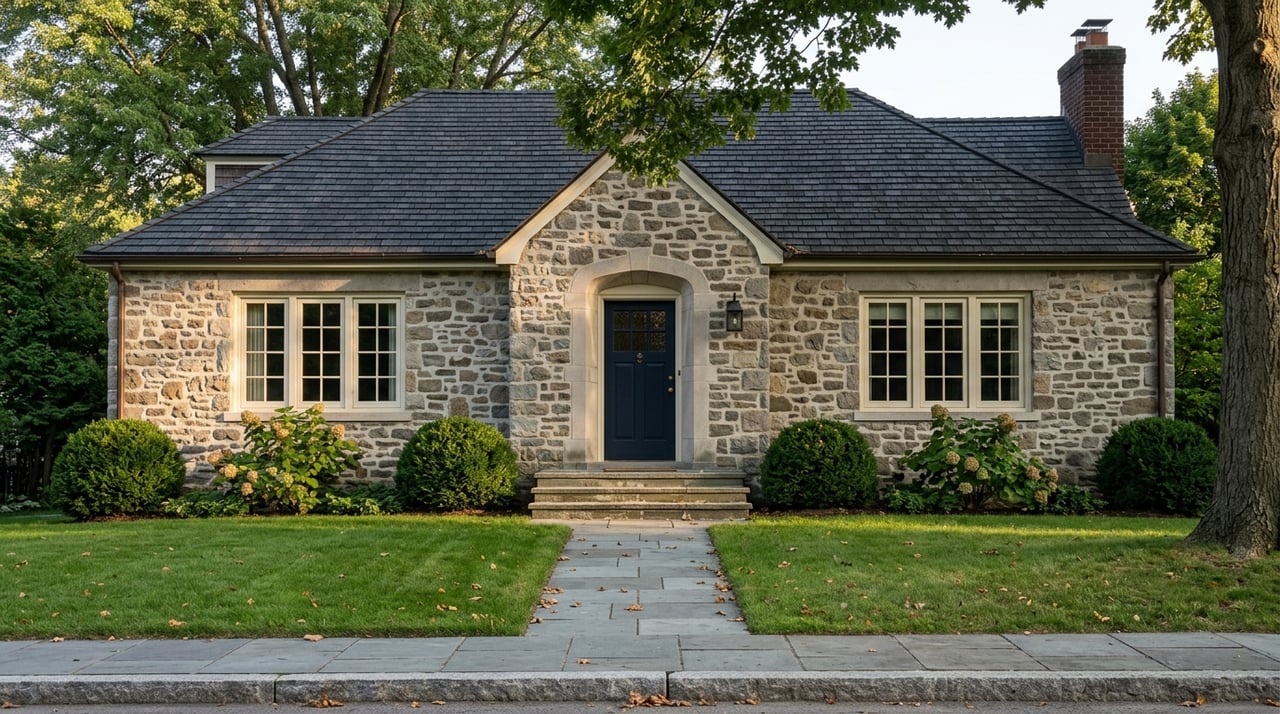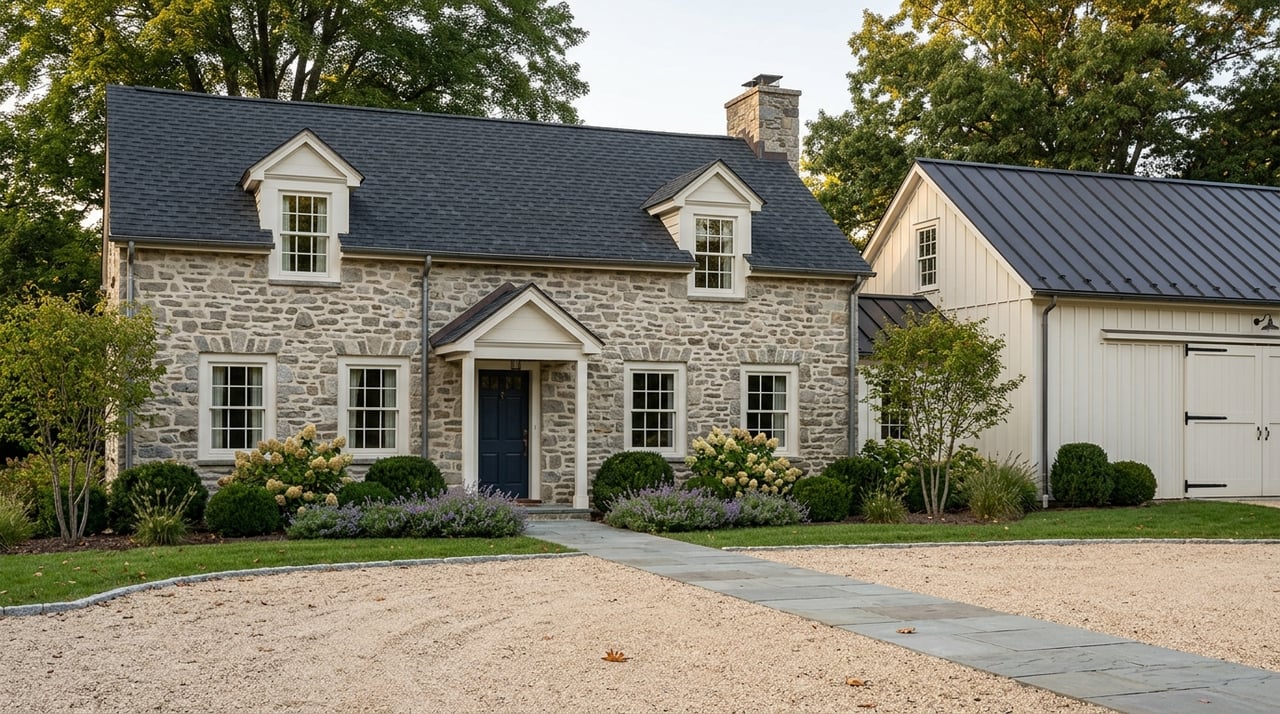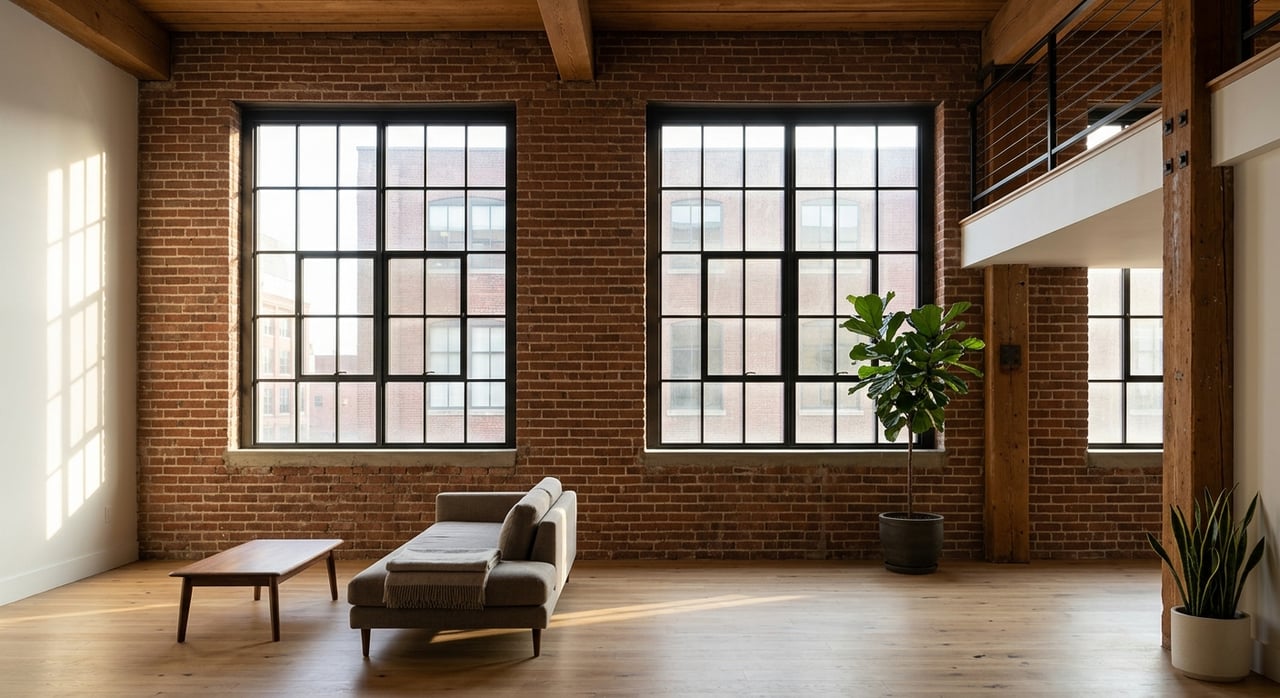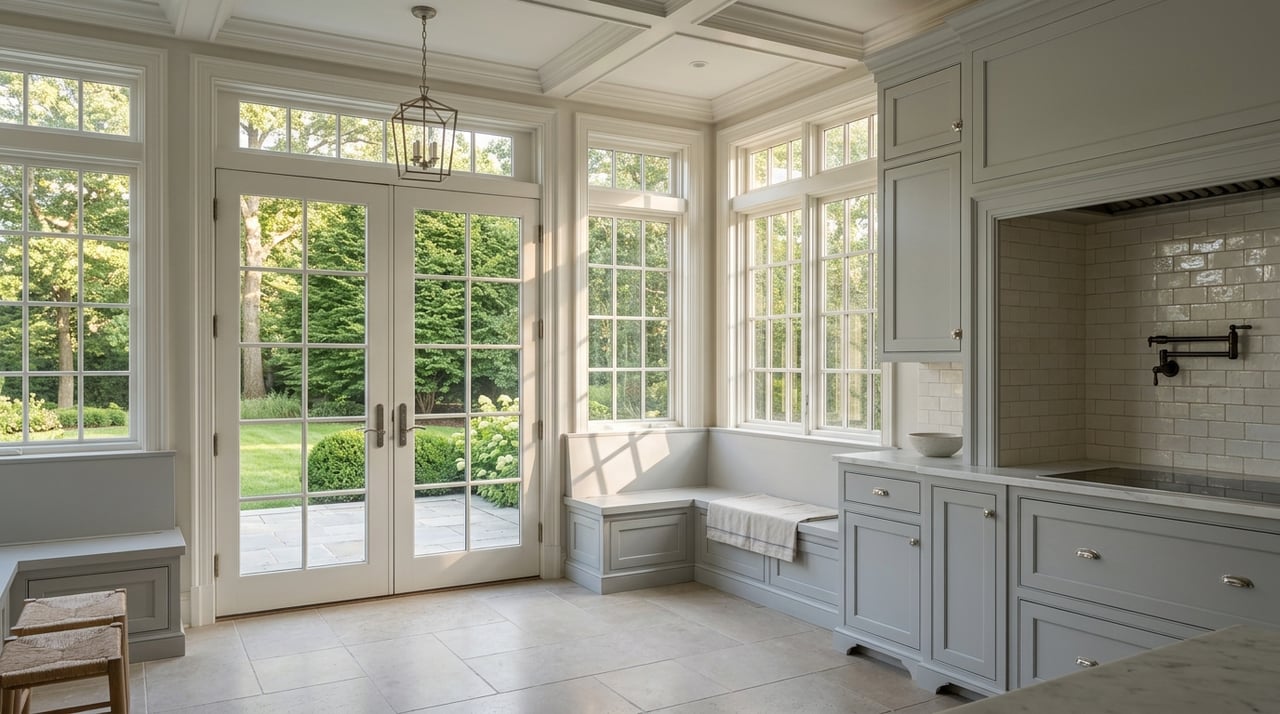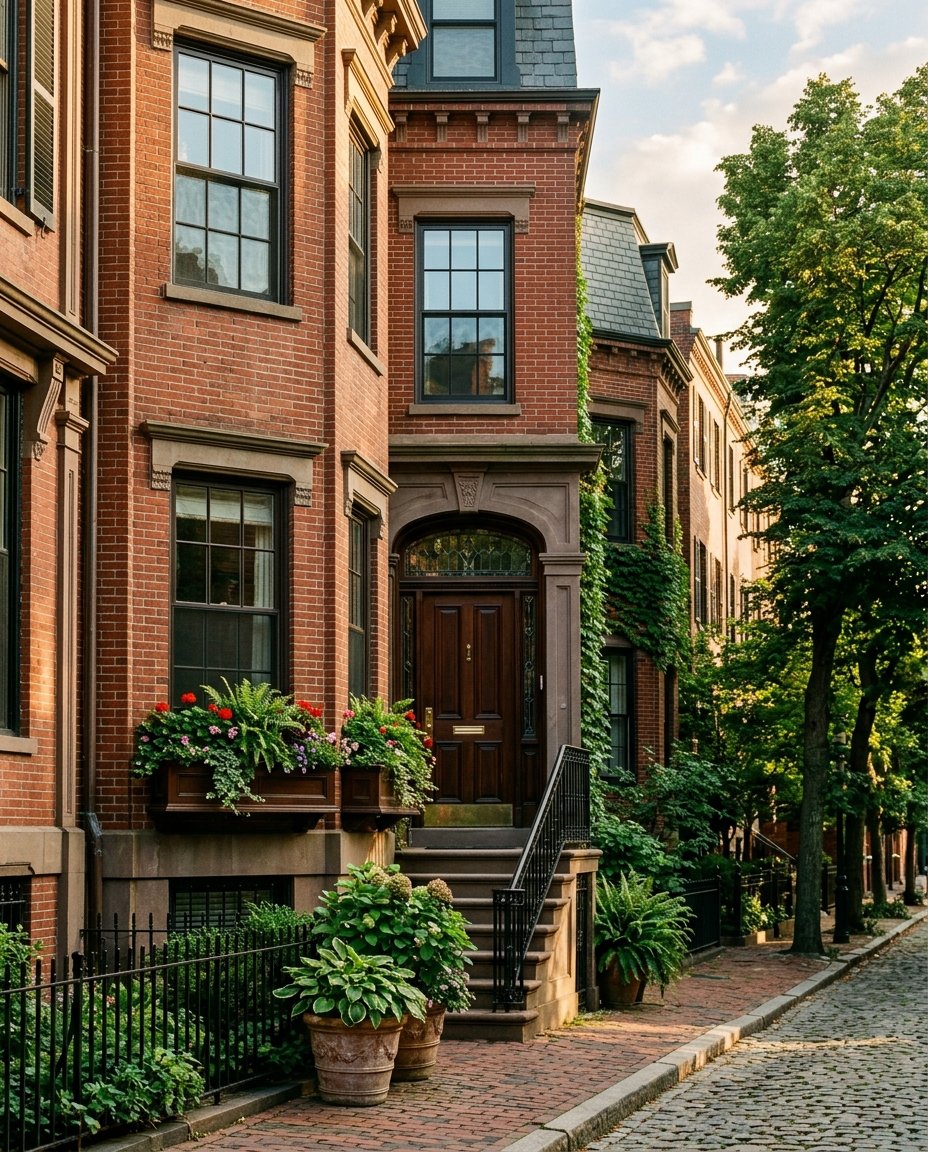
What makes a home feel truly rooted in place? In Bethlehem, the answer often starts with stone walls, brick facades, and streets shaped by nearly three centuries of history. If you are drawn to homes with character and want a lifestyle that extends beyond the front door, Bethlehem offers a rare mix of preserved architecture, walkable daily life, and a calendar full of arts and seasonal traditions. Let’s dive in.
Why Bethlehem Feels Different
Bethlehem’s historic identity is not just a marketing phrase. The city’s historic core dates to 1741, and the Moravian Church Settlements in Bethlehem were officially recognized as a UNESCO World Heritage site in 2024. UNESCO describes Bethlehem as the first permanent, best-preserved, and most important Moravian settlement in North America.
That distinction helps explain why so much of the area feels cohesive. Historic structures, public spaces, and early infrastructure all contribute to the experience of living here. Instead of a neighborhood with a few old homes scattered around, Bethlehem offers a setting where history is part of the daily backdrop.
Historic Homes Shape the Streetscape
The housing stock in Historic Bethlehem is closely tied to masonry, craftsmanship, and preservation. According to Historic Bethlehem Museums & Sites heritage listings, landmarks such as the 1741 Gemeinhaus, the 1749 stone Horsfield House, and the 1810 brick Goundie House help define the district’s visual identity.
What stands out is that the area does not read like a frozen museum district. Several historic buildings continue to serve as private residences, museums, churches, or adaptive-reuse spaces. That gives the neighborhood a lived-in feel, where historic character and modern life exist side by side.
Materials Matter Here
If you are considering a historic home in Bethlehem, it helps to understand how seriously the city treats its architectural fabric. In the Bethlehem Historic District, the city’s Historic Architectural Review Board reviews exterior changes, and a Certificate of Appropriateness is required before a building permit is issued. South Bethlehem and Mount Airy are overseen by the Historic Conservation Commission.
The city’s design guidance also recommends traditional materials such as brick, wood, stone, and terra cotta in historic districts. For you as a buyer, that means ownership often comes with a preservation-minded mindset. Original details, careful maintenance, and thoughtful renovations tend to matter more here than they might in a newer suburban property.
Historic Character Goes Beyond Houses
Bethlehem’s story is broader than architecture alone. The Colonial Industrial Quarter and 1762 WaterWorks add another layer, including what Historic Bethlehem identifies as the first municipal pumped water system in the United States.
That wider context shapes the lifestyle around these homes. You are not simply buying near old buildings. You are living in a place where housing, worship, industry, and civic planning all helped form a distinctive historic landscape.
Everyday Life Is Walkable and Active
Historic homes often appeal because of how they connect you to a neighborhood, not just because of their age. In Bethlehem, that connection is strengthened by a downtown environment the city describes as a lively urban downtown with retail, office, and residential uses. The same city materials highlight streetscape and facade improvements that support its appeal as a livable, walkable community.
That walkability can shape your routines in a very practical way. Restaurants, cafes, and public parking are all part of the downtown experience, making it easier to move between errands, dining, and time out with friends.
Main Street Has Daily Energy
Moravian University’s overview of Historic Bethlehem describes the city as a place with concerts, restaurants, arts, and college-town energy. It highlights Main Street as a mile-long stretch with vintage stores, art galleries, local specialty shops, inns, and the Moravian Book Shop.
For homeowners, that means your weekend plans do not have to be complicated. A stroll through town can include coffee, browsing shops, visiting a historic site, or meeting friends for dinner. That kind of easy rhythm is part of what makes Bethlehem attractive to people who want charm without feeling isolated.
The South Side Adds an Arts Layer
The lifestyle story continues beyond the historic core. The SouthSide Arts District is presented as the Lehigh Valley’s home for art, entertainment, shopping, and dining. Its Urban Arts Trail creates a 2.75-mile walking route through Downtown Bethlehem with public art along Third and Fourth Streets.
Bethlehem’s trail network adds even more variety. The same source points to routes like Monocacy Way in Center City and the South Bethlehem Greenway through the arts district, giving you more ways to enjoy the city on foot.
Seasonal Events Help Define the Lifestyle
Some historic towns feel busiest only during peak tourism months. Bethlehem has a more steady rhythm, thanks in large part to recurring events that keep the city active throughout the year.
That matters if you are thinking about the lifestyle around a home, not just the home itself. A strong event calendar can make a neighborhood feel animated, social, and connected across seasons.
Summer Brings Musikfest
One of Bethlehem’s best-known traditions is Musikfest, ArtsQuest’s 10-day August festival founded in 1984. ArtsQuest says the event features more than 400 performers, 500 performances, 16 stages, and more than 1 million visitors each year.
For residents, that means summer comes with real energy. You may enjoy live music, a fuller downtown, and the sense that the city becomes a gathering place for the wider region.
Winter Has Its Own Signature Feel
Bethlehem’s holiday identity is equally important. Christkindlmarkt is presented as one of the nation’s largest and most-attended Christmas markets, while Historic Bethlehem’s Christmas City Stroll highlights places like the 1741 Gemeinhaus, Central Moravian Church, the Colonial Industrial Quarter, and traditions such as candles in windows and beeswax candles.
If you love seasonal atmosphere, this is a meaningful part of Bethlehem living. Winter is not a quiet off-season here. It is one of the times when the city’s historic setting feels especially memorable.
A Year-Round Calendar Keeps Things Moving
Bethlehem’s event life does not stop with summer and the holidays. Winter Restaurant Week in Historic Bethlehem is one example of how the city stays active in colder months, and the broader district calendar includes recurring draws like First Friday in South Bethlehem, summer restaurant weeks, ChiliFest, and holiday crawls.
The Downtown Bethlehem Association also supports activity across both downtowns with more than 90 events each year, according to the SouthSide Arts District overview. For you, that can translate to a neighborhood that feels engaged and relevant well beyond a single season.
What Buyers Should Keep in Mind
Historic Bethlehem homes can be deeply appealing, but they are usually the right fit for buyers who value stewardship as much as style. The city’s review process for exterior changes means renovations may require more planning than they would in a non-historic area.
That is not necessarily a drawback. For many buyers, it is part of the value. A preservation framework can help protect the visual integrity that makes these homes and streets so compelling in the first place.
Look at Lifestyle and Upkeep Together
If you are comparing Bethlehem with a newer community, think beyond square footage and finishes. Here, the appeal often comes from original materials, established streetscapes, and proximity to downtown life, arts venues, trails, and historic sites.
At the same time, character homes typically reward owners who appreciate maintenance and careful updates. If you enjoy craftsmanship, context, and the feeling of living somewhere with a strong sense of identity, Bethlehem may offer a lifestyle that feels hard to replicate.
Why This Market Appeals to Character-Home Buyers
For buyers who are drawn to historic architecture, Bethlehem stands out because the experience feels authentic at multiple levels. The UNESCO recognition adds global significance, but the everyday appeal is more personal. You can walk streets lined with meaningful architecture, spend time in active downtown districts, and enjoy seasonal traditions that give the year a natural rhythm.
That combination is not common. In Bethlehem, historic homes are part of a larger lifestyle story, one built around preservation, walkability, culture, and continuity.
If you are considering a historic or character-rich property in Bethlehem or elsewhere in the Lehigh Valley, working with someone who understands both lifestyle value and the practical realities of unique homes can make the process much smoother. When you are ready to explore your options, Petrina Calantoni Unger offers thoughtful guidance for buyers and sellers of distinctive properties.
FAQs
What makes historic Bethlehem homes different from newer homes?
- Historic Bethlehem homes are closely tied to preserved materials, masonry construction, and district design standards, with many properties located in an area shaped by a 1741 settlement and a UNESCO World Heritage designation.
Are renovations in Bethlehem historic districts reviewed by the city?
- Yes. In the Bethlehem Historic District, exterior changes are reviewed by the Historic Architectural Review Board, and a Certificate of Appropriateness is required before a building permit is issued.
What is the lifestyle like around historic Bethlehem homes?
- The lifestyle combines historic character with walkable access to downtown restaurants, cafes, shops, arts venues, trails, and frequent events across both of Bethlehem’s downtown areas.
What are some major annual events in Bethlehem, Pennsylvania?
- Major recurring events include Musikfest in August, Christkindlmarkt during the holiday season, and other annual activities such as Winter Restaurant Week, First Friday events, and seasonal festivals.
Why do buyers choose Bethlehem for historic properties?
- Many buyers are drawn to Bethlehem for its combination of architectural character, preservation-minded neighborhoods, active downtown areas, and year-round cultural events that support a distinctive sense of place.