If you are selling a rural estate in Northampton or the broader Lehigh Valley, local exposure alone may not be enough. The most likely buyer could be coming from another county, another state, or even another country, especially when your property offers acreage, privacy, outbuildings, or a lifestyle that is hard to find closer to major job centers. The good news is that today’s buyers already shop this way, and the right marketing plan can help your property reach them with clarity and confidence. Let’s dive in.
Why Out-of-Area Buyers Matter
A distinctive rural property rarely fits the mold of a standard home search. Buyers looking for acreage, equestrian potential, farm utility, or a legacy country setting often widen their search because these features are limited in any one town or ZIP code.
That matters in Northampton County, where growth and mobility are real. The county is estimated at 324,411 residents in 2025, with a 71.1% owner-occupied rate, and it ranks among the top counties in the broader region for population growth and domestic migration, according to the U.S. Census Bureau. In short, more people are discovering this part of eastern Pennsylvania.
The Lehigh Valley also offers a scale and accessibility that support wider buyer interest. The region has a population near 700,000 and a record $55.7 billion GDP, while Lehigh Valley International Airport helps connect the area to major travel markets, with ABE noting it is just over an hour from Philadelphia and less than two hours from New York City.
How Buyers Search Today
If you want to attract out-of-area buyers, you need to meet them where they begin: online. The National Association of Realtors reports that all home buyers used the internet to search, and 43% first looked online.
That same report shows what buyers value most in digital listing content: photos, detailed property information, and floor plans. Buyers spent a median of 10 weeks searching, viewed seven homes, and two of those were viewed online only. For a rural estate, that means your digital presentation is not a side item. It is often the first showing.
This is especially important because buyers do move for lifestyle and value. NAR’s relocation data shows that many movers chose an area to be closer to family and friends, while others wanted more home for the money, according to this 2024 relocation trends report.
What Makes Rural Estates Different
A rural estate is usually not competing on the same terms as a suburban resale. It may offer land, separation from neighbors, scenic views, barns, paddocks, workshops, guest space, or a historic setting. These are features that need context, not just a square-foot number and a list of room counts.
In Northampton County, the agricultural base supports that positioning. The USDA’s 2022 county profile reports 421 farms across 56,138 acres, with 93% identified as family farms. That tells you rural land is still an active and meaningful part of the local market.
For sellers, this means your property should be marketed as a scarce lifestyle asset. It should not be packaged like a generic house with a long driveway.
Marketing Assets That Help Remote Buyers Say Yes
Out-of-area buyers need enough information to picture daily life on the property before they visit in person. That starts with complete, well-planned marketing materials.
Lead With the Hard-to-Replicate Features
Your listing should highlight the features buyers cannot easily find elsewhere. Depending on the property, that may include:
- Acreage and land layout
- Privacy and distance from neighboring homes
- Views and outdoor living space
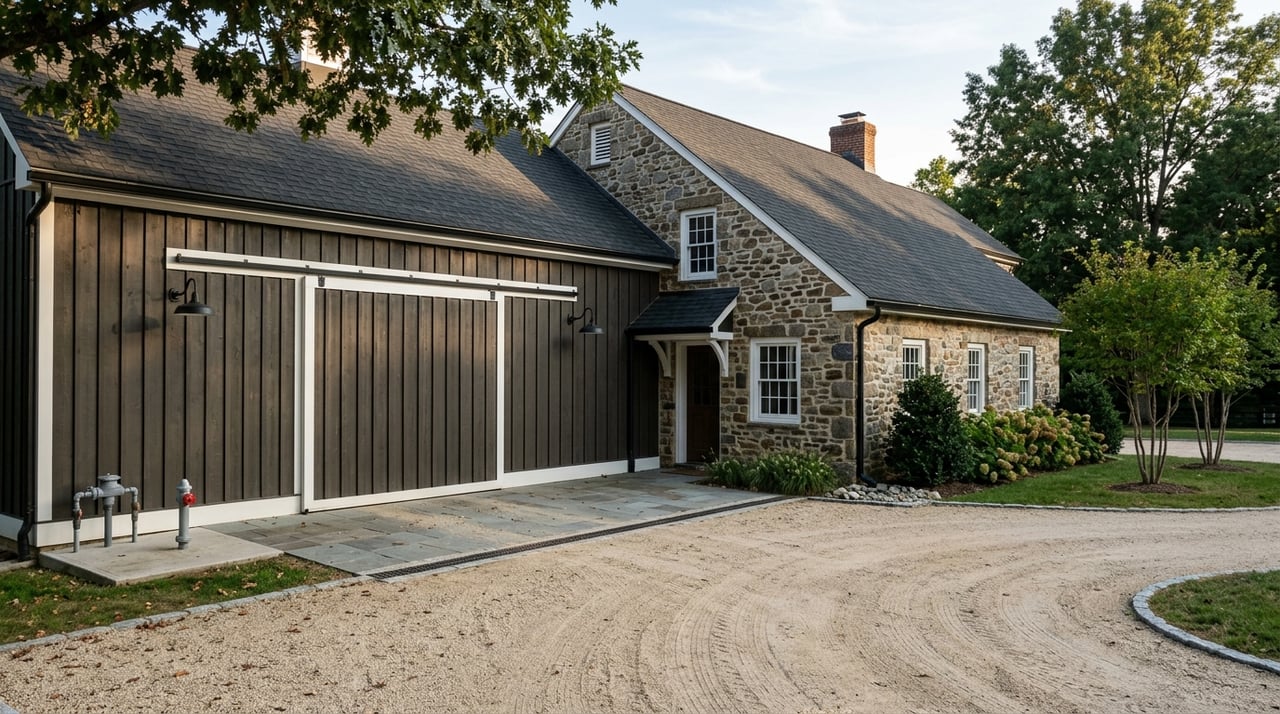
- Barns, paddocks, arenas, or agricultural structures
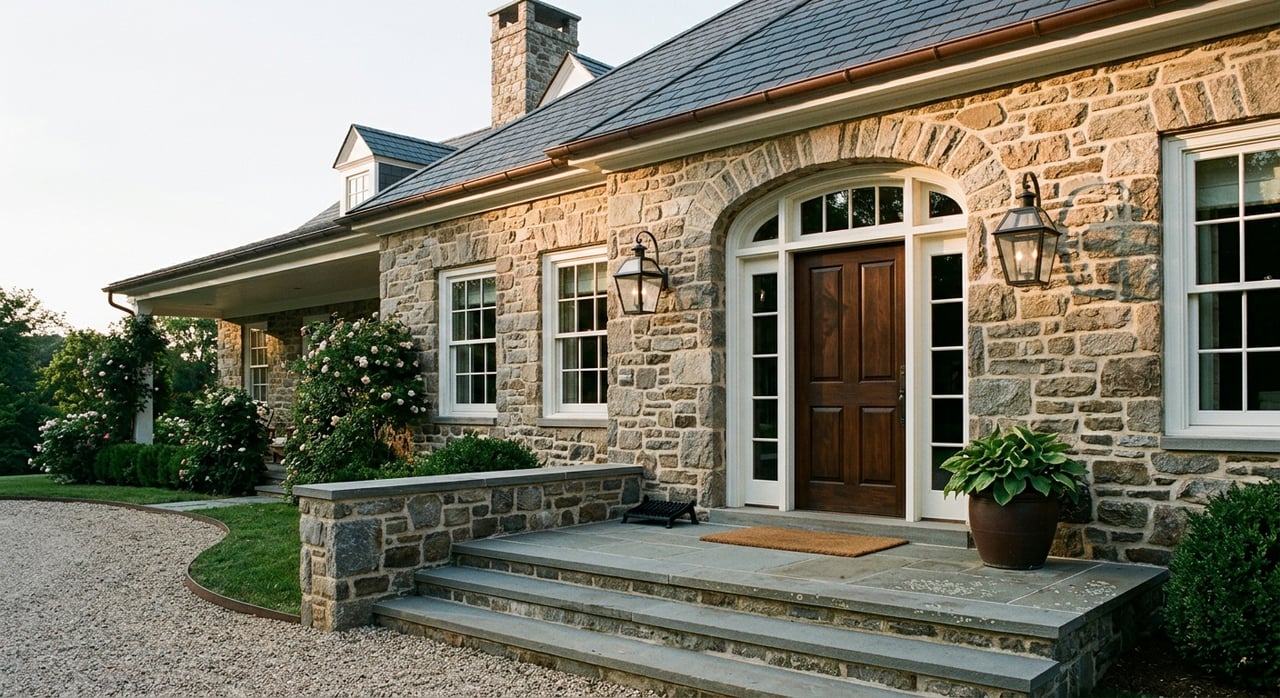
- Historic character or architectural details
- Flexible use of outbuildings or support spaces
This approach aligns with NAR’s finding that buyers want detailed property information, not just basic listing data. For estate and farm properties, the details often make the value clear.
Use Photography, Floor Plans, and Aerials
Strong visuals do more than make a listing attractive. They help a remote buyer understand how the home sits on the land, where the outbuildings are placed, and how the property flows.
Professional photography is essential, but it should be paired with floor plans and thoughtful aerial coverage. NAR notes that drone imagery can help show landscape, outdoor features, and surrounding views, which is particularly helpful for larger parcels and estate settings.
Create a Video-First Funnel
For many rural listings, video should come early in the process. Since online-only viewing is already normal for many buyers, a well-produced video tour can help qualify interest before someone plans a longer trip.
This can save time for both seller and buyer. It also supports a more private showing process, especially when the home is occupied or the property includes sensitive areas such as barns, equipment spaces, or family-use grounds.
Distribution Matters as Much as Presentation
Even excellent marketing materials cannot perform well if they are not distributed widely and correctly. Exposure should be treated as strategy, not a simple listing upload.
NAR’s consumer guidance explains that MLS imagery can be shared on brokerage websites and portals where buyers search. For an out-of-area buyer, that kind of syndication is often the bridge between discovery and inquiry.
For a luxury rural property, broad visibility is especially important because the buyer pool is naturally narrower. The goal is not mass-market attention for its own sake. The goal is to place the property in front of the right buyer wherever that buyer begins the search.
Why Global Reach Can Be Relevant
International outreach may sound ambitious for an inland Pennsylvania estate, but the data supports keeping that door open. NAR reports that foreign buyers purchased 78,100 U.S. homes worth $56 billion from April 2024 through March 2025, and 47% paid cash.
Northampton County also reflects a more connected population than some sellers may assume. The Census reports that 8.6% of residents are foreign-born and 15.0% speak a language other than English at home, according to the same county profile.
That does not mean every listing needs multilingual materials. It does suggest that a translated summary sheet or multilingual FAQ can be useful for select properties, especially when you want to reduce friction for serious buyers coming from outside the area.
Privacy Should Be Part of the Plan
Many rural estate sellers want wider exposure without giving up control. That is a reasonable concern, especially for occupied homes, legacy properties, or estates with valuable equipment and outbuildings.
NAR notes that while the property address must be available to MLS participants, sellers can limit public display of the address. That allows for meaningful reach while preserving a layer of privacy.
The same goes for imagery and showings. NAR’s privacy and safety guidance recommends removing personal photos and paperwork, securing valuables, discouraging unapproved photography, and using electronic lockboxes, as outlined in its home-selling privacy guide.
For some sellers, it also makes sense to hold back certain photos for private follow-up. This can work well for spaces like tack rooms, equipment areas, private offices, or portions of the grounds that are better shared only with qualified buyers.
Build a Better Showing Process
When the right buyer is traveling from outside the area, your showing strategy should respect both their time and your privacy. A good process often moves in stages.
A Smart Rural Estate Showing Flow
- Digital discovery through photography, floor plans, and strong listing details
- Video review to help the buyer understand the property remotely
- Qualification and scheduling with identified or pre-qualified buyers
- Private in-person tour for buyers with confirmed interest
- Follow-up materials that answer technical or land-use questions
This kind of structure supports seller confidence while giving serious buyers the information they need to move forward.
Local Storytelling Still Matters
Out-of-area marketing does not mean generic marketing. In fact, the more unique the property, the more important local context becomes.
A buyer coming from outside Northampton County may not know how to interpret the value of acreage, access, setting, or the way a house relates to the surrounding land. They need a clear story about what makes the property special within the Lehigh Valley.
That is where thoughtful narrative matters. A listing should explain not only what the property includes, but also how it lives day to day, how the buildings work together, and why this type of setting is increasingly hard to replace.
Why Specialist Stewardship Matters
Seller priorities remain consistent. NAR reports that sellers place high importance on help marketing the home to buyers, pricing it competitively, and selling within a set timeframe, while 86% of buyers used an agent, according to the buyer and seller profile.
For a rural estate, that support needs to go beyond standard listing steps. Pricing, presentation, privacy, and buyer qualification all carry more weight when the property is uncommon and the audience may be coming from well beyond the immediate market.
That is why these properties benefit from a curated approach. When the marketing is story-driven, technically informed, and distributed for regional, national, and international visibility, you give your property the best chance to reach the buyer who truly understands its value.
If you are preparing to sell a rural, historic, or equestrian property in Northampton or the Lehigh Valley, Petrina Calantoni Unger offers discreet, high-touch guidance shaped around complex properties, thoughtful presentation, and broad buyer reach.
FAQs
How should a Northampton rural estate address be displayed online?
- NAR guidance supports keeping the address available to MLS participants while limiting public display in some cases, which can help balance exposure and privacy.
What listing photos matter most for Lehigh Valley rural estates?
- Buyers consistently value photos, detailed property information, and floor plans, and rural properties often benefit from aerial imagery that shows land, views, and outbuildings.
Should a rural estate marketing plan start with video tours?
- Yes, video can be a useful early step because online-only viewing is common and it helps out-of-area buyers evaluate fit before planning an in-person visit.
Is international marketing worth considering for rural property in Northampton County?
- It can be, because NAR reports active international demand for U.S. homes, and Northampton County’s population data suggests a connected and increasingly mobile regional audience.
Why is broad syndication important when selling a Lehigh Valley estate?
- Broad syndication helps your listing appear where remote buyers actually search, which is critical when the right buyer may be outside the immediate local market.