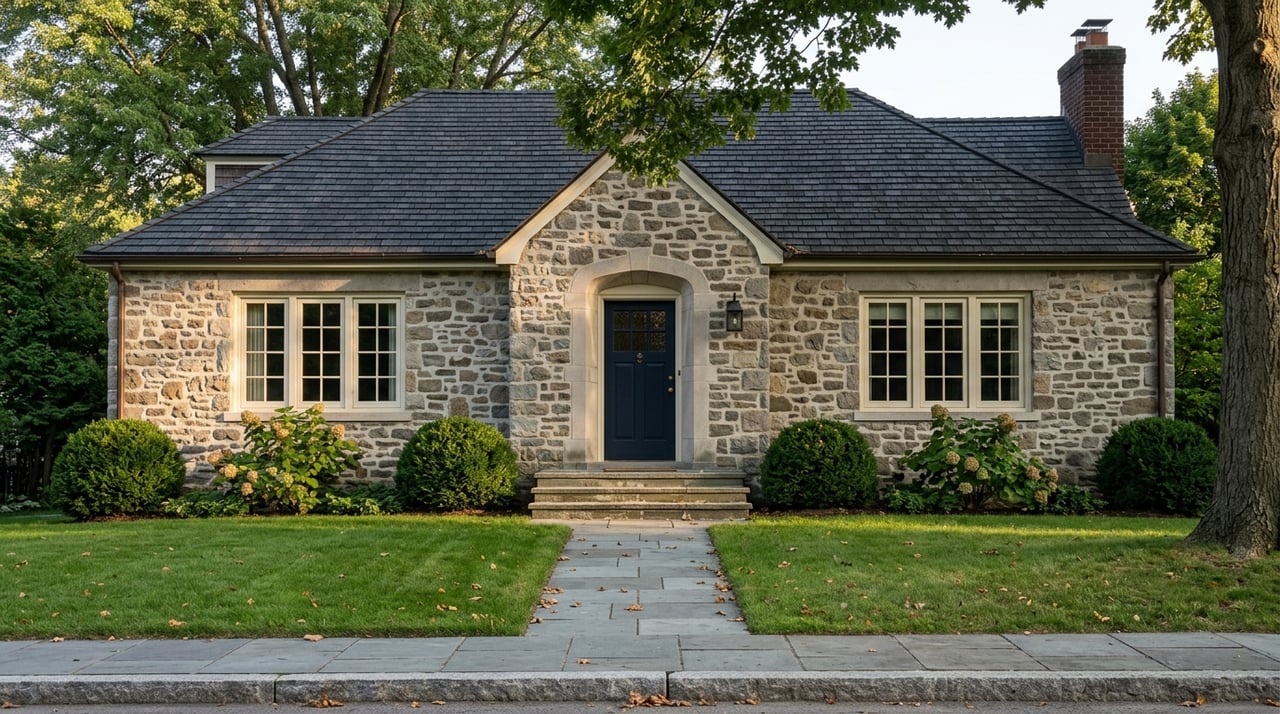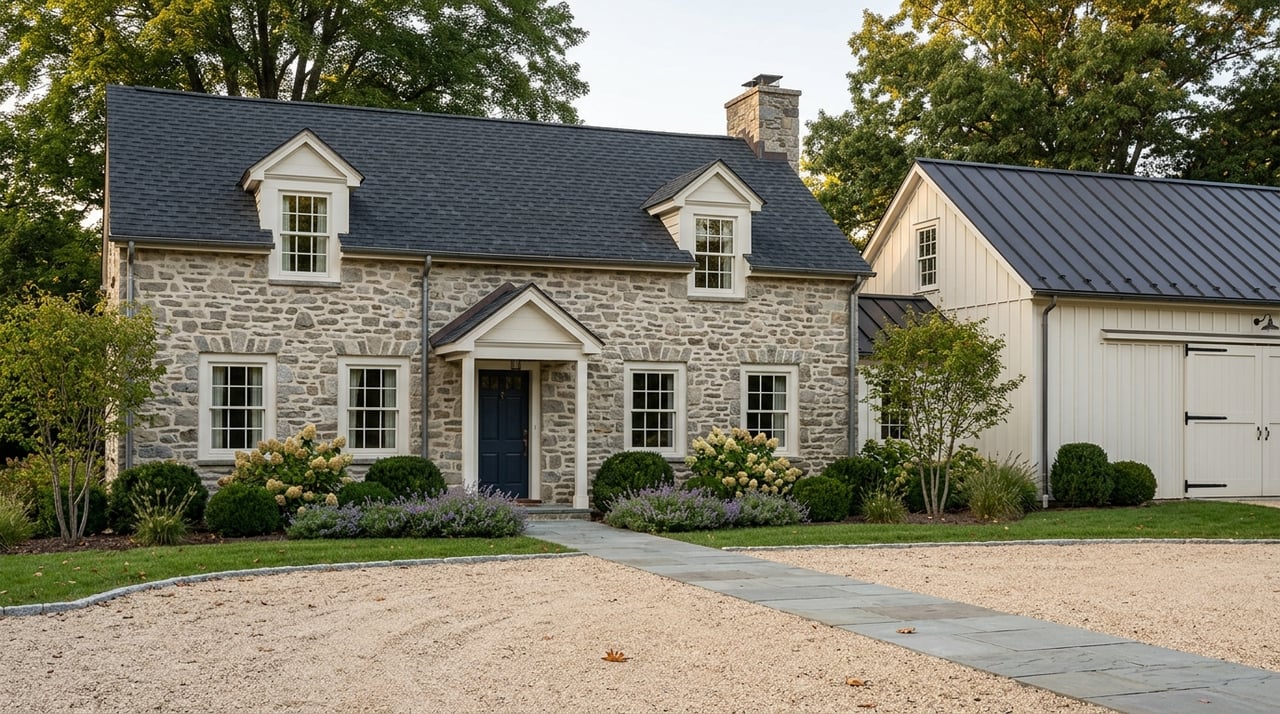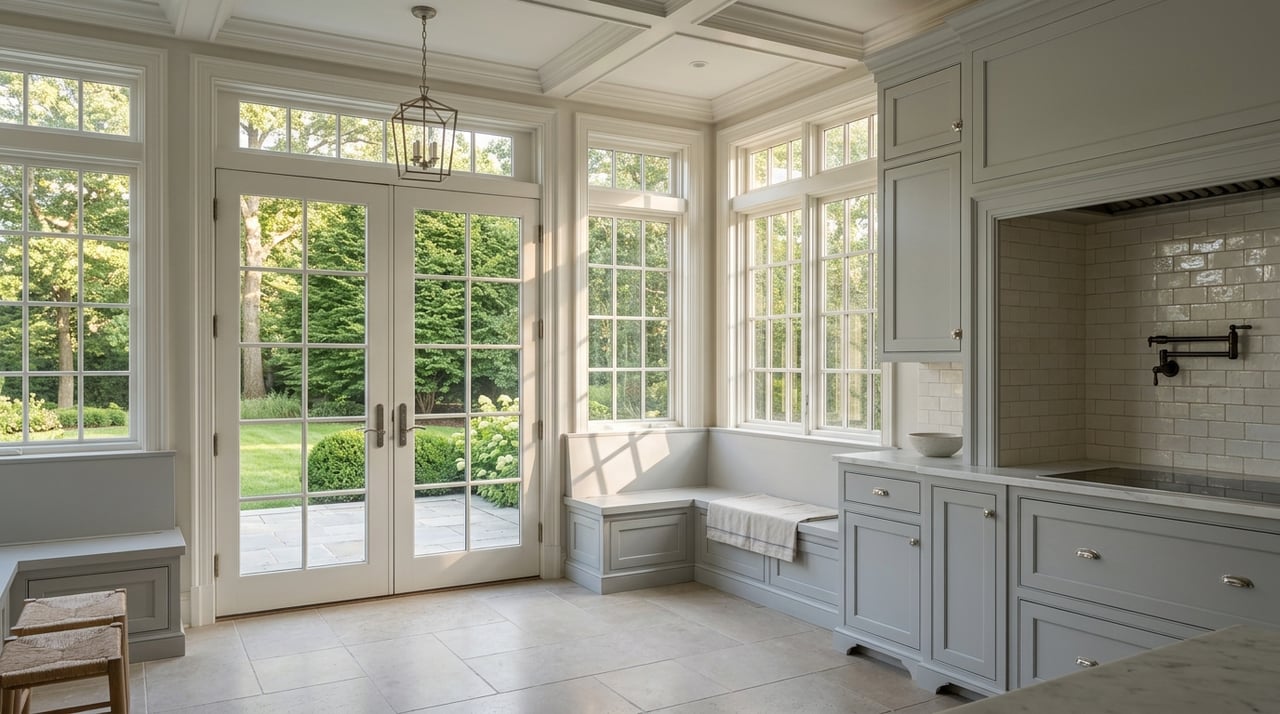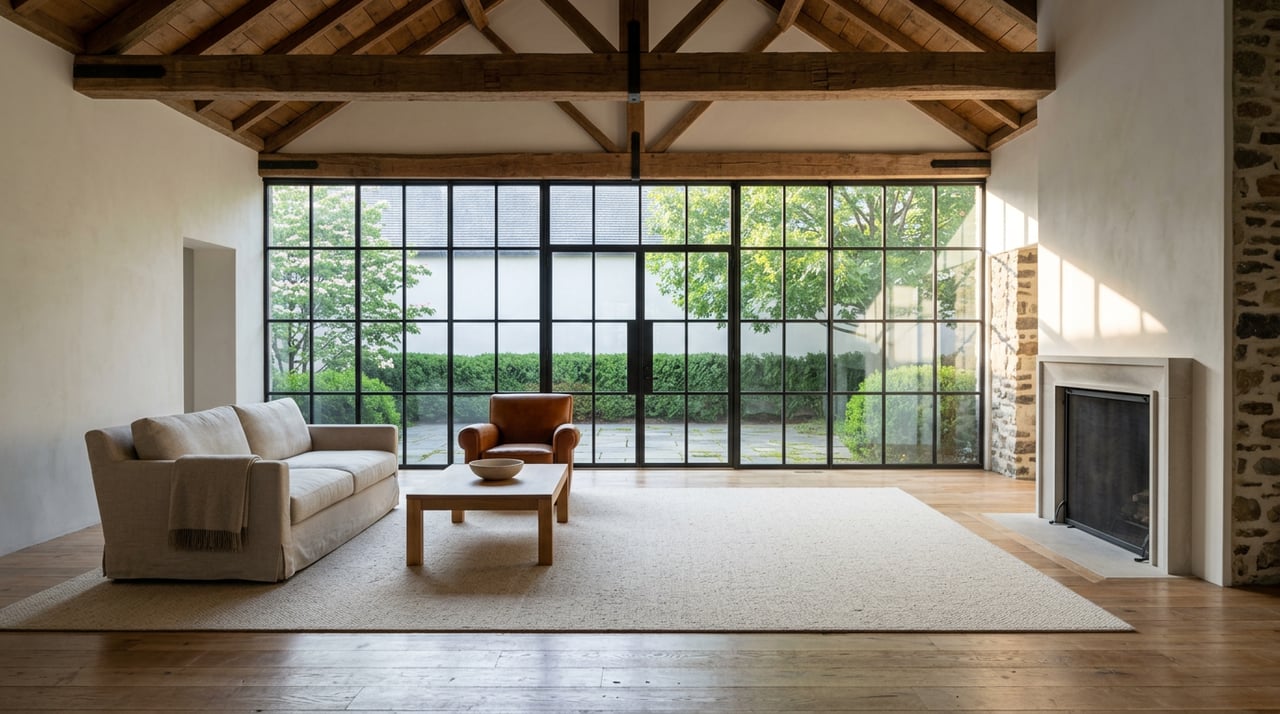
Dreaming about turning a Bucks County barn into a warm, livable home? You are not alone. With the right plan, a barn conversion can honor local heritage while delivering modern comfort. This guide walks you through the approvals, site checks, and expert team you will need in Bucks County and nearby Montgomery and Chester counties so you can move from idea to Certificate of Occupancy with confidence. Let’s dive in.
Why barn conversions are different here
Barns were built for work, not year‑round living. When you convert one, you change how the building is used. In Pennsylvania, that generally counts as a change of occupancy under the Uniform Construction Code, which triggers plan review, inspections, and a new Certificate of Occupancy when you finish. Municipalities enforce the UCC, so your local township or borough will be your first point of contact. You should plan for a formal permit process and multiple inspections before you can move in. Pennsylvania UCC advisories explain this process.
At the same time, zoning is local. Bucks County has 50‑plus municipalities, each with its own ordinance. Some allow barn-to-home conversions by permit, others by conditional use, and some require a variance. Start by confirming your exact municipality and zoning district, then ask the zoning officer how a residential conversion is handled.
Start with zoning and land use
Confirm the municipality and district
Your first call should be to the township or borough zoning office. Identify the property’s zoning district and whether a barn conversion is permitted by right or requires a hearing. If you are unsure where to find the local ordinance, the Bucks County Planning Commission provides countywide context and links to municipal codes and contacts.
As an example of how local rules can look, Plumstead Township’s use regulations show that conversions can be specifically regulated and that wastewater approval is often required before a zoning permit is issued. Your municipality may have different standards, so always confirm locally before you scope design or budget.
Watch for easements and preservation
If the parcel is on preserved farmland or carries a conservation or agricultural easement, the deed may restrict new non‑agricultural uses. Before you plan a conversion, ask the township and review recorded easements to confirm you can add or change residential use. The Planning Commission can help you find the right municipal and county resources to start that review. Bucks County Planning Commission
UCC building code and safety requirements
Converting a barn into a residence usually qualifies as a change of occupancy under the UCC. That means:
- Plan review and building permits through the enforcing municipality.
- Structural review if you alter load‑bearing elements or need reinforcement.
- Mechanical, plumbing, and electrical permits.
- Energy code compliance, including insulation and air sealing.
- Inspections through rough‑in to final, ending with a Certificate of Occupancy.
Expect requirements for safe egress, smoke and CO alarms, stair geometry, and egress windows in sleeping rooms. If you are considering more than one dwelling unit, added fire separation and egress rules can apply. For a clear overview of what triggers reviews and inspections, see the Pennsylvania UCC advisories.
Septic and water are gatekeepers
Sewage permits and capacity
Sewage is one of the most common deal‑shapers in rural conversions. In Bucks County, certified Sewage Enforcement Officers issue individual on‑lot permits through the Department of Health. Your conversion cannot receive final occupancy if the sewage system is not sized and approved for the proposed bedrooms and daily flow. Start early by requesting as‑built records and scheduling soils and percolation testing. The Bucks County Department of Health’s on‑site sewage guidance outlines the permitting path and emphasizes replacement area planning. State administration under Act 537 also governs sewage facilities planning and approvals.
Practical tips:
- Confirm the existing system type and age and whether a replacement area exists.
- If capacity is unknown or undersized, budget for an upgrade or new system.
- Coordinate your proposed bedroom count with the SEO before finalizing plans.
Private wells and water quality
If the property relies on a private well, confirm well yield and test water quality for bacteria, nitrates, and other parameters before occupancy. Pennsylvania recommends licensed professionals for well design and testing, and new drilling must follow state guidance. Review PA DEP information for well drillers and well construction as you plan.
Site work, stormwater, and land disturbance
Grading, driveway changes, and utility trenches can trigger erosion and stormwater rules. In Bucks County, the Conservation District administers much of the Chapter 102 program and reviews Erosion and Sediment Control plans. Many municipalities also require pre‑construction stormwater plan approval and permanent best management practices.
- The Bucks County Conservation District provides guidance and review procedures.
- Pennsylvania’s Chapter 102 Erosion and Sediment Control regulations set thresholds for E&S plans and NPDES coverage.
- Local ordinances vary. As a reference point, Bedminster’s stormwater management ordinance illustrates typical municipal requirements.
Quantify your anticipated earth disturbance and run it by township staff and the Conservation District before you clear or grade. Early coordination helps avoid redesign later.
Driveway and road access
If your project creates or modifies access onto a state road, you will likely need a PennDOT Highway Occupancy Permit. Driveways onto local municipal roads are permitted by the township or borough. PennDOT’s HOP guidance explains application components and timelines; early conversations can prevent rework of your site plan. Review the PennDOT HOP guidance as you plan access.
Historic status and available incentives
If your barn is listed on the National Register or sits within a certified historic district, your design approach matters. The National Park Service’s Preservation Briefs outline best practices for rehabilitating historic fabric.
Incentives exist, but eligibility is specific:
- The federal Historic Rehabilitation Tax Credit generally provides 20 percent for certified, income‑producing properties that follow the Secretary of the Interior’s Standards. Owner‑occupied private residences usually do not qualify. See the NPS overview for rehabilitating historic barns and the PHMC summary of federal credits.
- Pennsylvania operates a state Historic Preservation Tax Credit program with set application windows and criteria. Learn more through the DCED program guide.
Before you plan any exterior changes, confirm whether the building or parcel is subject to historic designation or a recorded easement. If you intend to pursue credits, speak with the State Historic Preservation Office early.
Floodplains and environmental checks
Check whether any part of the barn sits within a mapped flood hazard area. Buildings in floodplains can face elevation or floodproofing requirements and financing or insurance limits. Municipalities host FEMA FIRM information. For a local reference, see Doylestown Borough’s floodplain map resource. If you plan grading near streams or wetlands, additional permits may be required. For older agricultural sites, consider basic environmental screening for lead paint, historic storage tanks, or chemical residues.
What your conversion team should look like
A successful conversion is a team effort. Line up these professionals in roughly this order:
- Zoning officer or township planner. Confirm use permissions and review path.
- Sewage Enforcement Officer (SEO) and the County Health Department. Scope septic capacity and testing.
- Structural engineer. Assess the frame, foundation, roof, and bracing needs.
- Architect with adaptive reuse experience. Prepare plans that meet UCC requirements and, if applicable, historic standards.
- Civil engineer or E&S/stormwater designer. Prepare site plans if your disturbance triggers local or Chapter 102 review.
- Licensed well driller or water specialist. Verify well yield and water quality or design a new well if needed.
- Contractor experienced with timber barns. Execute the work to code and coordinate inspections.
Timeline and key milestones
Every township moves at its own pace, but most projects follow this sequence:
- Pre‑due‑diligence. Zoning and deed review, including easements; concept meeting with the township.
- Technical due diligence. Septic testing and SEO evaluation; well testing; structural survey of the barn.
- Design and permits. Architectural and structural plans; building permit submission under the UCC; E&S and stormwater submissions if required; septic permit.
- Construction. Foundation work, structural improvements, rough‑in of mechanicals, insulation, finishes.
- Final inspections and Certificate of Occupancy. Close out permits and approvals.
Design and permitting can take weeks to a few months. Full conversions commonly run several months to a year or more, depending on scope. Septic approvals, stormwater review, or historic coordination can add time, and seasonal factors may influence schedules.
Practical design and code items to plan for
Barns need thoughtful upgrades to perform as homes. You will likely address:
- Structure. Reinforcing posts, beams, or foundations and adding lateral bracing.
- Envelope. Insulation in walls and roof, air sealing, and new windows or doors sized to meet egress and energy goals.
- HVAC and mechanicals. System sizing for heating and cooling, ducting or mini‑splits, and code‑compliant ventilation.
- Life safety. Egress windows in bedrooms, compliant stairs, smoke and CO alarms.
- Utilities. Electrical service capacity, gas or propane availability, and broadband or phone service options.
Quick due diligence checklist
Use this list before you commit to a purchase or a full design:
- Confirm the municipality, zoning district, and whether a barn-to-home conversion is permitted or requires a hearing. Start with the Bucks County Planning Commission for municipal links.
- Request the deed and recorded easements. Look for agricultural or conservation easements that may limit new residential uses.
- Obtain as‑built septic records. If capacity is unknown, schedule soils and percolation tests and an SEO site evaluation using county on‑site sewage guidance.
- Verify the water source. Test an existing well for bacteria and nitrates and confirm yield following PA DEP well guidance.
- Commission a structural assessment for the frame, roof, and foundation.
- Check floodplain status using municipal FIRM resources, such as Doylestown Borough’s reference page.
- Ask about historic status or districts and review NPS and PHMC guidance if you plan to seek credits.
- Evaluate access needs and whether a PennDOT Highway Occupancy Permit will be required.
- Quantify anticipated earth disturbance and coordinate with the Conservation District and township on E&S and stormwater approvals.
How I can help you move forward
A barn conversion touches zoning, building code, septic, historic status, and site engineering. You do not have to navigate it alone. With deep experience in rural Bucks County properties, equestrian infrastructure, and adaptive reuse, I help you assemble the right team, anticipate permit hurdles, and position the finished home for long‑term value.
If a conversion is on your mind, let’s talk through your goals and timeline in a private consultation. Start a conversation with Petrina Calantoni Unger today.
FAQs
What approvals do I need to convert a barn to a home in Bucks County?
- You will typically need zoning confirmation from the township or borough, building permits and inspections under the UCC, septic approval from an SEO through the County Health Department, and site approvals for erosion and stormwater if grading meets thresholds.
Who decides if a barn conversion is allowed on my property?
- Your local municipality controls land use; contact the zoning officer to confirm whether a conversion is permitted by right, by conditional use, or requires a variance, and to learn any district‑specific standards.
How does septic capacity affect my barn conversion?
- The sewage system must be sized and permitted for your proposed bedrooms and daily flow; without approved capacity, you cannot obtain final occupancy, so schedule soils testing and an SEO evaluation early.
Do historic tax credits apply to owner‑occupied barn homes?
- Federal historic tax credits generally apply to certified income‑producing properties, not owner‑occupied residences; review NPS and PHMC guidance if you are considering an income‑producing use or mixed‑use plan.
When do I need a PennDOT Highway Occupancy Permit for my project?
- If your driveway or access connects to or changes access on a state‑maintained road, PennDOT typically requires an HOP; driveways onto local municipal roads are handled by the township or borough.