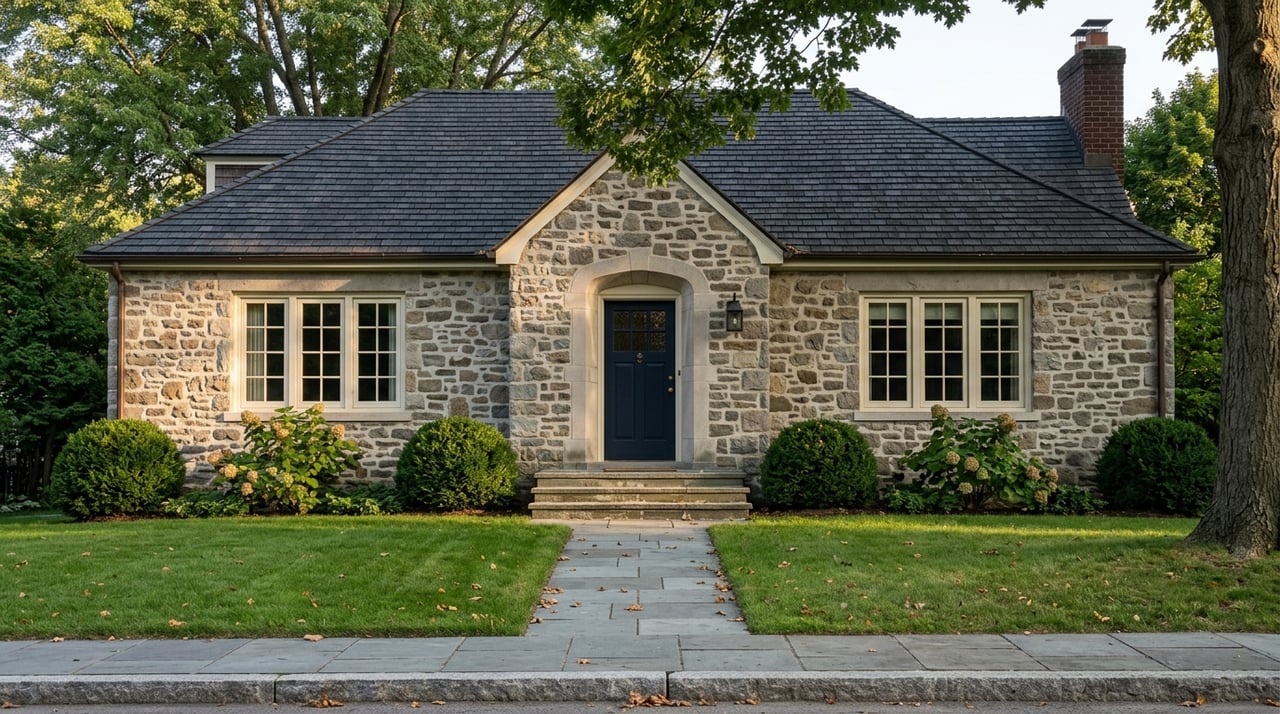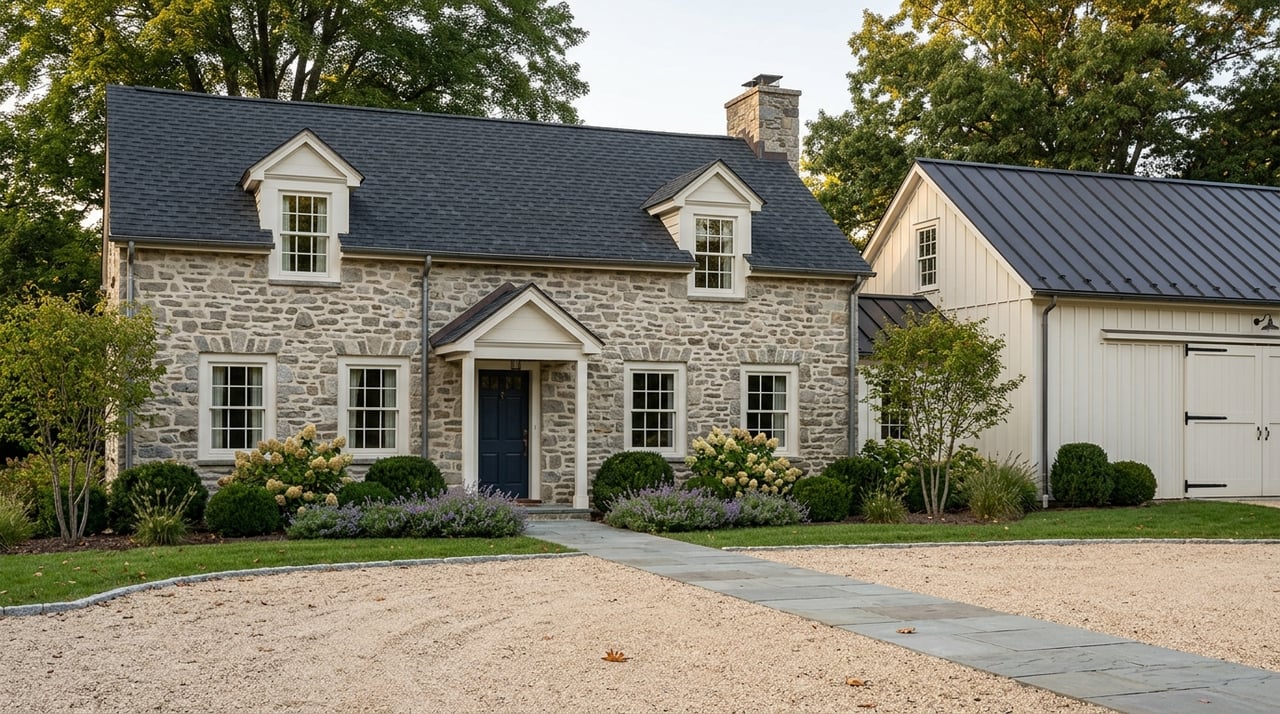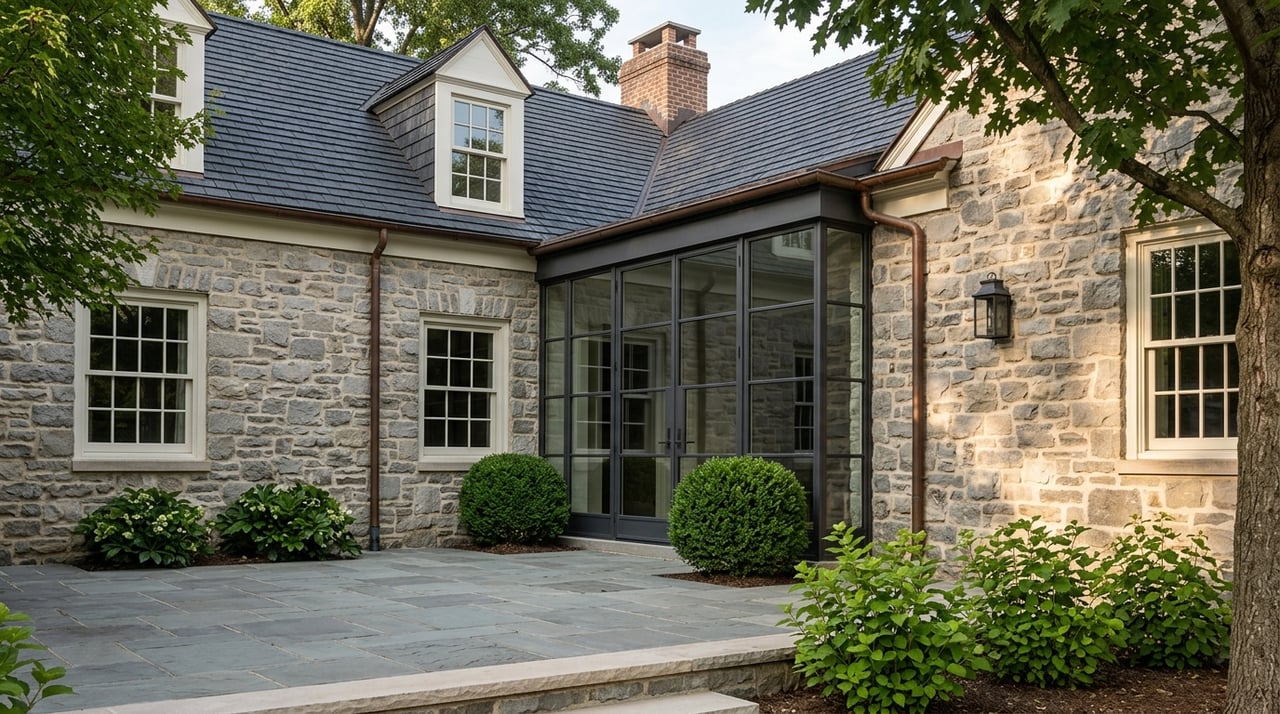
If you picture country living as open views, room to breathe, and a place where horses fit naturally into daily life, ZIP code 18035 in Northampton County deserves a closer look. This part of the Lehigh Valley offers a rare mix of preserved farmland, trail access, and practical connections to nearby town centers. Whether you are searching for a country home with acreage or exploring an equestrian lifestyle, understanding how this area works can help you make a smarter move. Let’s dive in.
Why 18035 Appeals to Country Buyers
ZIP code 18035 is associated with Cherryville in Northampton County, within the broader Lehigh Valley region. Regional planning materials describe the Lehigh Valley as a place of small-town settings, suburban communities, and rural landscapes, while still remaining within driving distance of Philadelphia and New York City. That balance is part of the draw if you want open land without feeling isolated.
For many buyers, the appeal starts with the landscape itself. Northampton County highlights ridges, rivers, forests, and farmland across its parks and open-space system, and the county says it has preserved 255 farms totaling 19,278.96 acres through its farmland-preservation program. That preservation culture helps explain why acreage and agricultural land feel like a normal part of the housing conversation here.
Equestrian Living Fits the Region
If horses are part of your lifestyle, the Lehigh Valley offers more than scenic back roads. The region has a real equestrian framework that includes trails, riding facilities, lessons, boarding options, and horse-centered community resources. That matters because a horse property is about more than the barn on your land.
According to Discover Lehigh Valley’s horseback riding guide, the area includes boarding stables and lessons across English, dressage, eventing, and western disciplines. The guide also names facilities such as North Star Farm / St. Jacques Equestrian, Flint Hill Farm Agricultural Educational Center, and Burgundy Hollow Horse Trails, which offers trails, lessons, schooling shows, and boarding. In other words, you are not limited to a single venue or one type of riding experience.
Local Trails for Horseback Riding
One of the strongest lifestyle advantages in Northampton County is access to outdoor recreation that officially includes horseback riding. This can be a major quality-of-life factor if you want room to ride beyond your own property lines.
Jacobsburg Environmental Education Center spans 1,168 acres near Nazareth and lists horseback riding among its official activities. The park is open daily from sunrise to sunset and sits at the foot of Blue Mountain, giving riders a substantial public outdoor asset nearby.
Trexler Nature Preserve adds another layer to the region’s appeal. Its 1,108 acres include more than 18 miles of trails, and its 8.5-mile Trexler Border Trail is noted as a popular route for horseback riding. For buyers comparing rural markets, access like this can be a real differentiator.
Northampton County also notes that its park system includes 24 county-owned parks, trails, and conservation lands. The county’s trail inventory includes the Nor-Bath Trail, Plainfield Township Recreation Trail, Saucon Rail Trail, Stockertown Rail Trail, and segments of the Delaware & Lehigh Trail, with an equestrian-use field included in that inventory. The Delaware & Lehigh National Heritage Corridor further describes the D&L Trail as multi-use, with some sections open to horses.
What to Look for in a Lehigh Valley Horse Property
When you begin touring country homes or equestrian properties, the house itself is only part of the story. In this market, usability often matters more than square footage alone. A beautiful home on unusable acreage may not serve your long-term goals as well as a more practical property with better land and outbuildings.
Regional equestrian listings show the features that tend to matter most. Those include:
- Acreage that supports turnout, pasture, or general open-space use
- Barns with functional stall layouts
- Tack rooms and feed storage
- Wash stalls
- Fenced pasture
- Riding rings or training areas
- Storage buildings for equipment and hay
One regional example cited in current equestrian listings includes 18.88 acres, a 20,000-square-foot barn, 25 stalls, a tack room, fenced pasture, a riding ring, and a storage shed. Another highlights 10 stalls, tack and feed rooms, a wash stall, an asphalt aisle, and pastured acreage, as shown in regional horse-property examples. These examples reinforce a simple point: if you are buying for horses, you should evaluate the land and infrastructure with as much care as the residence.
Key questions to ask on a showing
When you walk a property, focus on how the site functions day to day. A useful checklist includes:
- Is the acreage open, accessible, and practical for your intended use?
- Are pasture and turnout areas already fenced or easy to improve?
- Does the barn layout support your number of horses and routine?
- Is there space for hay, feed, bedding, and equipment storage?
- Is there an existing ring, trail access, or room to add one?
- How does the property balance privacy with convenience?
For buyers of unique rural assets, these details can shape both enjoyment and future value.
Why Open Land Matters Here
Northampton County’s farmland-preservation framework gives helpful context for the local market. The county’s conservation-easement criteria focus on land that meets acreage thresholds and is substantially in cropland, pasture, or grazing use. That tells you something important about the region: practical, usable land has long been part of the area’s identity.
For you as a buyer, that can translate into better alignment between lifestyle goals and what the market offers. In the Lehigh Valley, parcels suited to horses, hobby farming, or open-space living are not unusual edge cases. They are part of the fabric of the region.
Country Living With Town Access
A rural setting does not have to mean giving up daily convenience. One of the Lehigh Valley’s biggest strengths is that you can enjoy country surroundings while still staying connected to established town centers and services.
According to Lehigh Valley economic development resources, Allentown offers four major hospitals, two nationally ranked colleges, and several business districts. Bethlehem is known for two downtown districts, arts, culture, entertainment, and learning opportunities. Easton adds restaurants, shops, festivals, and local attractions. For many buyers, that combination makes the area more livable year-round.
This overlap between rural character and everyday convenience also shows up in the food culture. Discover Lehigh Valley says the region is home to 15 local tailgate farmers markets, including the Easton Farmers’ Market and Bethlehem’s Rose Garden Farmers Market. If you value open land but still want an active regional lifestyle, that blend can be especially appealing.
The Broader Horse Community
An equestrian lifestyle is not only about competition or land ownership. It can also include instruction, community, and therapeutic programs that deepen the region’s connection to horses.
For example, Equi-librium in Nazareth is described by Discover Lehigh Valley as a horse-based therapy center and one of only a few PATH International premier-accredited centers in Pennsylvania. It offers therapeutic riding as well as carriage driving. That kind of organization adds another dimension to the local horse community and shows the depth of equestrian culture in the area.
Is a Country Home Right for You?
A country home in the 18035 area can make sense if you want privacy, land, and a property that supports a more hands-on lifestyle. You may be looking for a farmhouse with acreage, a refined estate with equestrian infrastructure, or a smaller rural holding with room to grow into your plans. In each case, the right fit depends on how you want to live, not just what looks appealing online.
It helps to define your priorities early. For example, you may value direct horse infrastructure, trail proximity, preserved views, or easier access to Bethlehem, Easton, or Allentown. Once those goals are clear, your search becomes much more focused and efficient.
Working With a Specialist Matters
Country homes and equestrian properties often come with more moving parts than a typical suburban purchase. Barn condition, land usability, access patterns, storage, and improvement potential can all affect how well a property serves you over time. If you are buying or selling a rare rural asset, those details deserve careful attention.
That is where specialist guidance can make a real difference. Petrina Calantoni Unger brings a focused understanding of rural and equestrian properties, along with the technical perspective that unique homes and acreage often require. If you are considering a move in the Lehigh Valley, starting a thoughtful conversation can help you evaluate opportunities with more clarity and confidence.
FAQs
What makes ZIP code 18035 appealing for country homes in Northampton County?
- ZIP code 18035, associated with Cherryville, offers rural landscapes, preserved farmland, and access to nearby Lehigh Valley town centers, which creates a balance of open space and everyday convenience.
Are there horseback riding trails near 18035 in Northampton County?
- Yes. Northampton County includes trail and park resources that support horseback riding, including Jacobsburg Environmental Education Center, Trexler Nature Preserve, and some sections of the Delaware & Lehigh Trail.
What features should you look for in a Lehigh Valley equestrian property?
- Focus on usable acreage, barn layout, stalls, tack and feed storage, fenced pasture, wash stalls, riding areas, and how well the land supports your intended horse or country-living use.
Does the Lehigh Valley have an active horse community?
- Yes. Regional resources highlight boarding barns, lessons, schooling shows, trail riding, and therapeutic riding organizations, showing that the Lehigh Valley has a well-established equestrian ecosystem.
Can you enjoy rural living near 18035 without feeling far from amenities?
- Yes. The Lehigh Valley offers access to services, hospitals, dining, shopping, arts, and farmers markets in nearby Allentown, Bethlehem, and Easton while still preserving a country setting in parts of Northampton County.