Wondering whether an older home on College Hill is a dream purchase or a hidden project? If you are drawn to Easton’s historic architecture, mature streetscapes, and one-of-a-kind houses, you are not alone. The good news is that with the right due diligence, you can buy an older home with confidence, protect its character, and plan wisely for future updates. Let’s dive in.
Why College Hill Appeals to Older-Home Buyers
College Hill is one of Easton’s best-known historic neighborhoods, set above downtown and home to Lafayette College and Nevin Park. According to City of Easton materials, the neighborhood includes a wide mix of architectural styles, grand older homes, and a housing stock built mostly between 1830 and 1940.
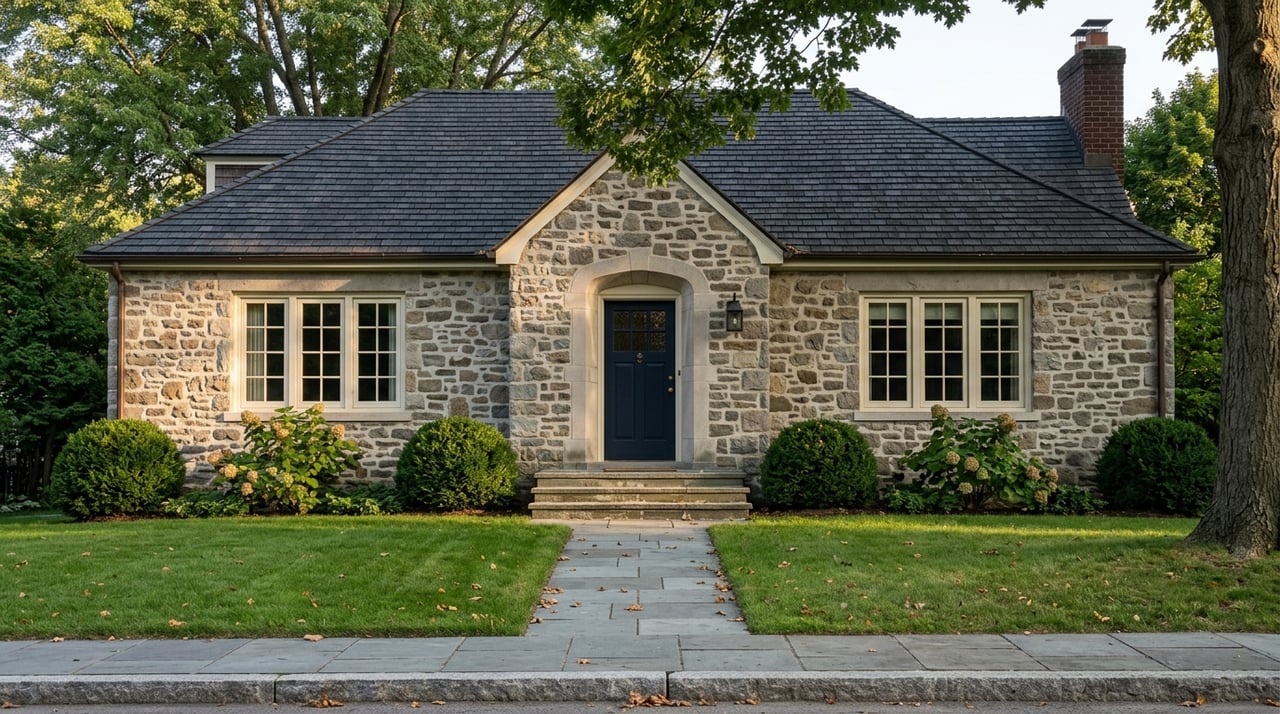
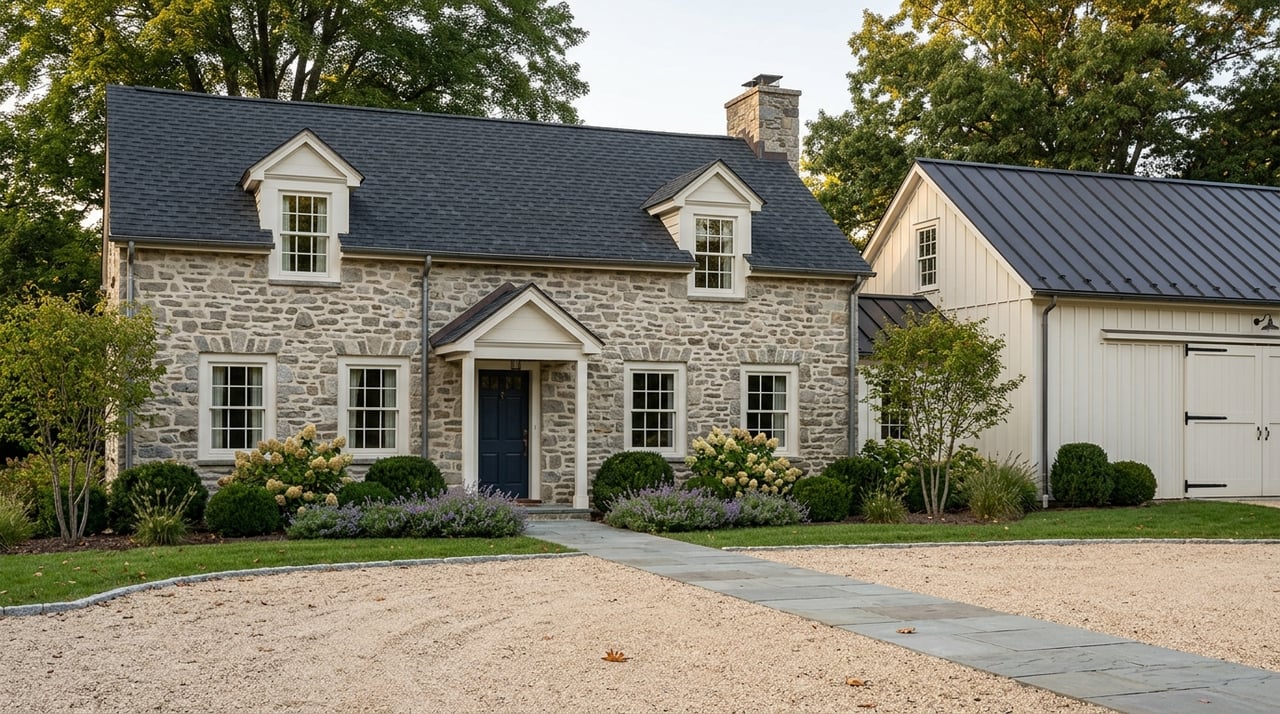
For you as a buyer, that usually means charm you can see right away. Think masonry exteriors, original wood windows, porches, trim details, and floor plans shaped by a different era of construction. Those features can add beauty and long-term value, but they also call for a more careful buying process.
Another point that matters is historic status. The College Hill Residential Historic District is listed on the National Register of Historic Places, but that does not automatically tell you what rules apply to a specific property. In Easton, parcel-level status matters, especially when you are considering future exterior work.
Check Historic District Status Early
Before you make an offer on an older home in College Hill, confirm whether the property is in Easton’s Local Historic District. This is one of the most important first steps because local district rules affect what exterior changes may need approval.
If a property is inside Easton’s Local Historic District, exterior renovation or alteration visible from a street, sidewalk, or other public way requires a Certificate of Appropriateness, often called a COA. The Historic District Commission reviews the proposal and makes a recommendation to City Council.
This matters even for buyers who do not plan a major renovation right away. If you think you may want to replace windows, rebuild a porch, change masonry, or alter visible exterior features, you should understand the approval path before closing.
What to ask before you buy
- Is the property located within Easton’s Local Historic District?
- Have any past exterior changes received COA approval when required?
- Are there records for prior window, porch, masonry, or roof work?
- Will your planned exterior changes be visible from a public way?
Easton also recommends contacting the Department of Planning and Codes before contracting for work or buying materials. The Historic District Commission meets on the second Monday of each month, and applications are due by noon on the last Monday of the previous month. If future work is part of your plan, timing should be part of your buying decision.
Review Permits and Repair History
Older homes often tell a complicated story. Some have been lovingly maintained over decades, while others have had patchwork updates done at different times by different owners. In Easton, permit history can help you separate thoughtful improvements from uncertain work.
The city states that permits are required for construction, enlargement, alteration, repair, demolition, changes in use, and work involving electrical, gas, mechanical, and plumbing systems. For an older home, that makes documentation especially important.
Ask for records that show what was done, when it was done, and who completed it. If a seller cannot provide permits, invoices, or contractor details for significant system updates, it is wise to view the home as more of a project than a turnkey purchase.
Records worth requesting
- Building permits
- COA approvals, if applicable
- Contractor invoices
- Roof repair or replacement records
- Chimney and masonry repair records
- Plumbing, electrical, gas, and HVAC service or installation records
Focus on the Right Inspection Items
Not every issue in an older home carries the same weight. In College Hill, some of the most important items involve masonry, moisture, drainage, windows, and core systems.
A general home inspection is a starting point, but older homes often benefit from more targeted review. If the house has masonry walls, older chimneys, original windows, or signs of prior water entry, you may want specialists involved during your inspection period.
Masonry and chimneys
The National Park Service advises inspecting masonry for disintegrating mortar, cracked joints, loose bricks, damp walls, and damaged plaster. These signs can point to moisture movement, deferred maintenance, or repairs done with incompatible materials.
This is especially important because historic mortar is often softer and more lime-based than newer mortar. Repointing with harder, high-Portland-cement mortar can damage older brick and masonry instead of protecting it.
Roof, drainage, and grading
In an older hillside neighborhood, water management deserves close attention. Roof condition, flashing, gutters, downspouts, and site grading should be reviewed together, not one at a time.
If you see damp walls, peeling finishes, or interior plaster damage, the problem may not begin where it shows up. The practical question is whether water is being directed away from the house in a durable way.
Windows, doors, and trim
Original windows are often a major part of an older home’s character. The National Park Service recommends repair first, with weatherization or storm solutions where appropriate, rather than default replacement.
That guidance matters because buyers are often told that replacing historic windows will produce dramatic energy savings. NPS specifically notes that common claims of very large savings from replacement windows are not accurate. If replacement becomes necessary, the new windows should match the historic design and appearance as closely as possible, especially on primary street-facing elevations.
Mechanical, electrical, gas, and plumbing systems
A house can look beautiful and still need major systems work. Because Easton requires permits for electrical, gas, mechanical, and plumbing work, you should ask whether updates were completed under permit and by qualified contractors.
If documentation is thin or inconsistent, budget more conservatively. In many older homes, invisible systems carry the biggest surprise costs.
Do Not Skip Lead Disclosure and Lead-Safe Planning
If you are buying a home built before 1978, lead-based paint should be part of your due diligence. Federal rules require sellers and agents to provide the EPA pamphlet, disclose known lead information, and share available records and reports before a buyer signs a contract.
Beyond disclosure, planning matters. EPA guidance notes that a lead-based paint inspection can be especially useful when buying a home or before renovation, and renovation or repair in pre-1978 homes can create significant lead dust.
If you expect to disturb painted surfaces after closing, use lead-safe certified firms where lead may be present. That step is especially important in houses with original trim, windows, doors, and other retained historic materials.
Check Flood and Water Risk by Parcel
Because Easton sits where the Delaware and Lehigh Rivers meet, flood review is worth doing even if a home sits up on College Hill. FEMA states that flood risk is not limited to obvious waterfront lots, so parcel-specific screening is the right approach.
This is not about assuming every property has the same exposure. It is about confirming the flood map position for the specific lot, discussing insurance implications if needed, and understanding whether water management should be part of your early budget.
Budget Updates Without Losing Character
One of the smartest ways to approach an older College Hill home is to separate essential work from cosmetic work. That means dealing with safety issues, moisture control, and preservation needs first, then moving to aesthetic changes later.
This approach protects both your budget and the house itself. It also aligns with preservation guidance that favors repair over replacement whenever possible.
A practical budget order
- Safety issues and code-related concerns
- Active leaks or moisture intrusion
- Masonry stabilization and compatible repointing
- Roof, flashing, gutters, and drainage improvements
- Lead-safe work where painted surfaces will be disturbed
- Repair of original windows, doors, porches, and trim
- Kitchen, bath, and cosmetic upgrades
The National Park Service also notes that replacement materials marketed as maintenance-free may not last as long and may not be repairable. So a lower upfront price is not always the better long-term value.
For many buyers, the best improvements are the ones that make daily living easier while preserving the home’s street-facing character. In College Hill, that often means disciplined upgrades rather than broad demolition.
Build the Right Team From Day One
Older-home purchases usually go more smoothly when you have the right professionals involved early. A strong team may include a home inspector familiar with older masonry homes, a mason who understands historic mortar, a preservation-minded carpenter or window restorer, and a lead-safe certified renovator if pre-1978 surfaces may be disturbed.
The goal is not to overcomplicate the purchase. It is to reduce uncertainty and help you make decisions with real information instead of assumptions.
If you are considering visible exterior changes after closing, collect prior permits, COAs, surveys, and repair invoices during diligence. That paperwork can save time later and help future work move more smoothly through Easton’s process.
A Smart Buying Mindset for College Hill
Buying an older home on College Hill can be deeply rewarding. You may gain architecture, craftsmanship, and a sense of place that newer homes rarely offer.
At the same time, these houses ask for a more thoughtful process. If you verify historic status, review permits, inspect masonry and water management carefully, plan for lead-safe work, and budget in the right order, you can move forward with much more clarity.
If you are considering an older or historic home in Easton or the greater Lehigh Valley, working with someone who understands both character properties and the practical side of construction can make the path much clearer. To start a private conversation about your goals, connect with Petrina Calantoni Unger.
FAQs
What should you check before buying an older home on College Hill in Easton?
- Confirm local historic district status, review permit and repair records, inspect masonry and drainage, request lead disclosures, and screen the specific parcel for flood risk.
What does Easton local historic district status mean for a College Hill homebuyer?
- If the property is in Easton’s Local Historic District, exterior changes visible from a street, sidewalk, or other public way require a Certificate of Appropriateness before work begins.
What inspection issues matter most in an older College Hill house?
- Pay close attention to masonry condition, chimney stability, roof and flashing performance, gutters and grading, original windows, and whether core systems were updated with permits.
What should you know about lead paint in an older Easton home?
- For most pre-1978 homes, sellers must provide lead disclosures and any available records before contract signing, and future renovation work that disturbs painted surfaces should be handled with lead-safe planning.
Why does flood screening matter for a home on College Hill in Easton?
- Even on a hilltop purchase, flood risk should be checked by parcel because Easton’s broader river setting means risk is not limited to obvious waterfront locations.